
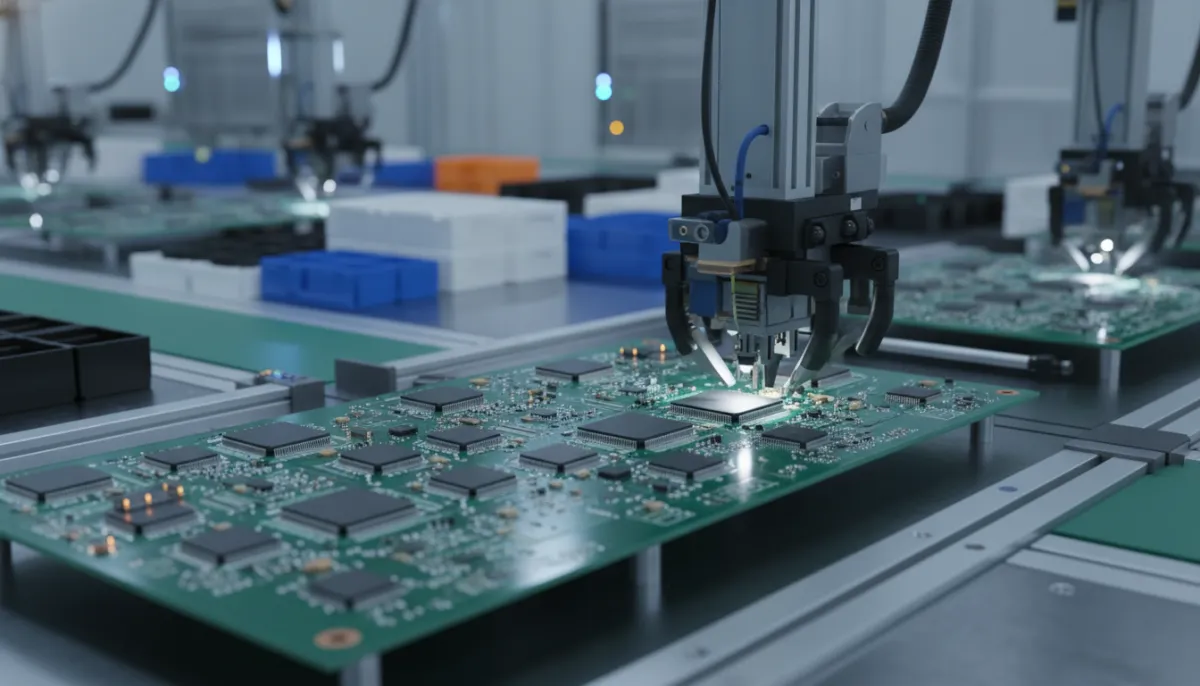
Discover the key benefits of machine vision in industrial automation, including improved efficiency, quality control, and more.
The Impact of Machine Vision on Industrial Automation
Machine vision is a groundbreaking technology that plays a pivotal role in industrial automation. This innovative approach holds immense potential for optimizing production processes and enhancing efficiency. Machine vision systems capture images, analyze them, and execute relevant actions based on their assessments. In this article, we will explore five significant benefits that machine vision brings to the realm of industrial automation.
1. Image RecognitionOne of the primary functions of machine vision is image recognition. This process involves capturing devices converting the visual data of objects into usable information. The acquired images are sent to a specialized image processing system, where attributes such as pixel distribution, brightness, and color are transformed into digital signals. The system then performs calculations on these signals to extract the object's characteristics, allowing it to control field equipment and carry out a series of actions based on its evaluations.
2. Visual PositioningVisual positioning enables precise detection and confirmation of product locations. This capability is especially crucial in semiconductor manufacturing, where adjusting chip position data can be challenging. Machine vision addresses this issue, ensuring that chips are accurately picked and placed, which is one of its most fundamental applications.
3. Product Quality InspectionMachine vision also plays a critical role in quality control. Within production lines, imaging systems scan product surfaces to identify faulty or defective items. This proactive approach prevents defective products from reaching customers, thereby enhancing overall product quality.
4. Speed and EfficiencyCompared to manual inspections, machine vision systems operate at remarkable speeds. This technology can inspect hundreds of products in mere seconds, accelerating the production process and significantly boosting overall efficiency. When integrated with automated control systems, processes can be further optimized.
5. Data Integration and AnalysisMachine vision is vital in industrial automation due to its ability to collect and analyze data. The visual data obtained can be utilized for analyzing production processes, helping identify weaknesses and implement improvements.
How It Works
Machine vision systems comprise image capture devices, image processing software, and control systems. Here’s a typical usage scenario:
- Image Capture: A camera captures the image of a product on the production line.
- Data Processing: The captured image is forwarded to processing software for analysis.
- Decision Making: Based on the analysis, the system assesses product quality and determines necessary actions.
- Application: If a product is found to be defective, the system automatically marks it as faulty.
- Advantages:
- Provides high speed and efficiency.
- Reduces error rates to enhance quality.
- Facilitates process improvements through data analysis.
- Can be adapted for various industrial applications.
- Disadvantages:
- Initial costs may be high.
- Technical expertise might be required.
- Maintenance and updates of systems require ongoing attention.
- How reliable are machine vision systems?
With proper installation and calibration, machine vision systems offer high reliability. - In which sectors are they utilized?
They are used across automotive, electronics, food, and pharmaceutical industries, among others.