
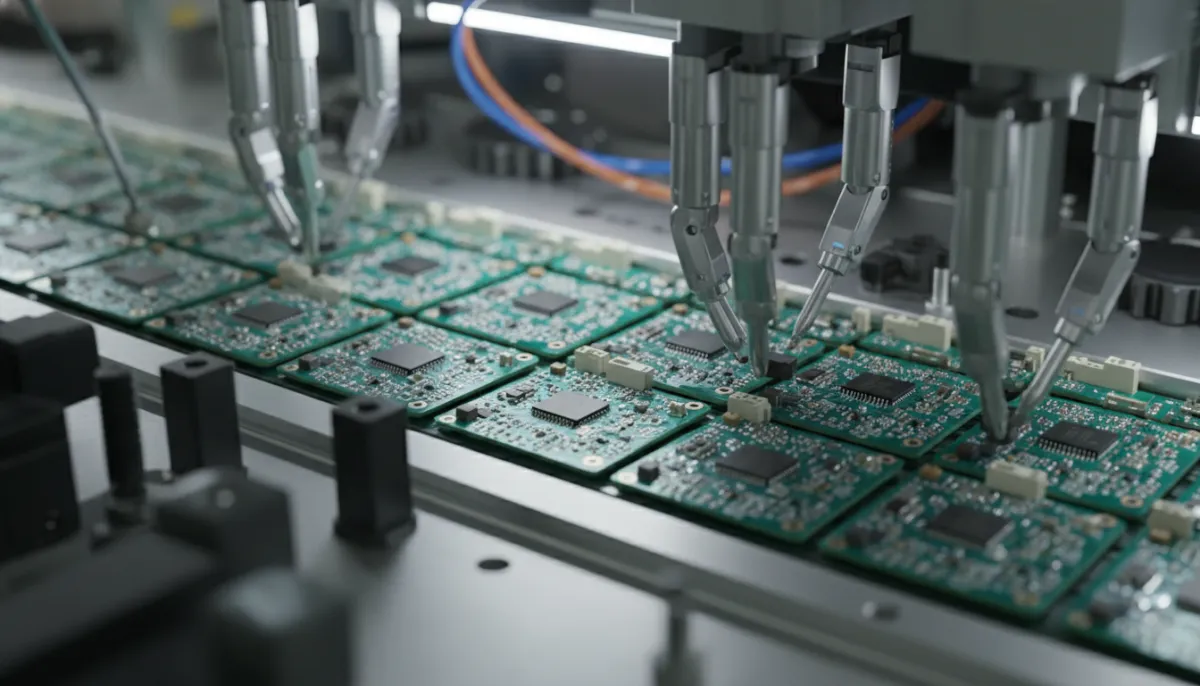
Discover how to choose the right sensors for effective industrial automation to enhance efficiency and reliability.
The Significance of Sensors in Industrial Automation
Industrial automation plays a pivotal role in streamlining manufacturing processes and controlling machinery. These systems are designed to enhance productivity, minimize human error, and ensure continuous production. One of the major challenges in designing these systems is selecting the appropriate sensor, as it directly influences the reliability and accuracy of the system.
Specifically, the choice of sensors in industrial automation varies according to environmental conditions, mechanical structures, and electrical parameters. Sensors must withstand harsh conditions like dust and dirt while minimizing the impact of vibrations and shocks.
How Do They Operate?
Commonly used sensors in industrial automation include Hall Effect sensors, reed switches, and digital sensors. These sensors function by detecting the presence of magnetic fields. For instance:
- Hall Effect Sensors: These detect magnetic fields and are used to measure position, speed, and current in industrial automation systems.
- Reed Switches: Featuring two metal contacts, these sensors complete a circuit in the presence of a magnetic field and are typically favored for simpler applications.
- Digital Sensors: Known for their quicker response times compared to analog data, they are utilized in more complex automation systems.
Every type of sensor has its own advantages and disadvantages:
- Hall Effect Sensors:
- Pros:
- High precision and accuracy.
- Ability to operate across a wide temperature range.
- Cons:
- Sensitivity to extreme temperature changes.
- Pros:
- Simple design and low cost.
- Low power consumption.
- Pros:
- Rapid data transmission and high reliability.
- Better performance in complex systems.
- What should I consider when selecting sensors for industrial automation?
Factors such as environmental conditions, mechanical structures, and electrical parameters should be taken into account. - What are the benefits of Hall Effect sensors?
Due to their high precision, wide temperature range, and durability, they are preferred in many industrial applications. - Where are reed switches typically used?
They are commonly chosen for simple applications, especially where cost is a critical factor. - What are the drawbacks of digital sensors?
High costs and complex installation requirements are among the disadvantages of these sensors.
Selecting the right sensors in industrial automation is a crucial step for enhancing system efficiency and reliability. Therefore, engineers and designers must conduct a thorough evaluation based on application requirements. With advancing technology, further development of both analog and digital sensors is anticipated, which will boost the performance of industrial automation systems and lead to greater efficiency.