
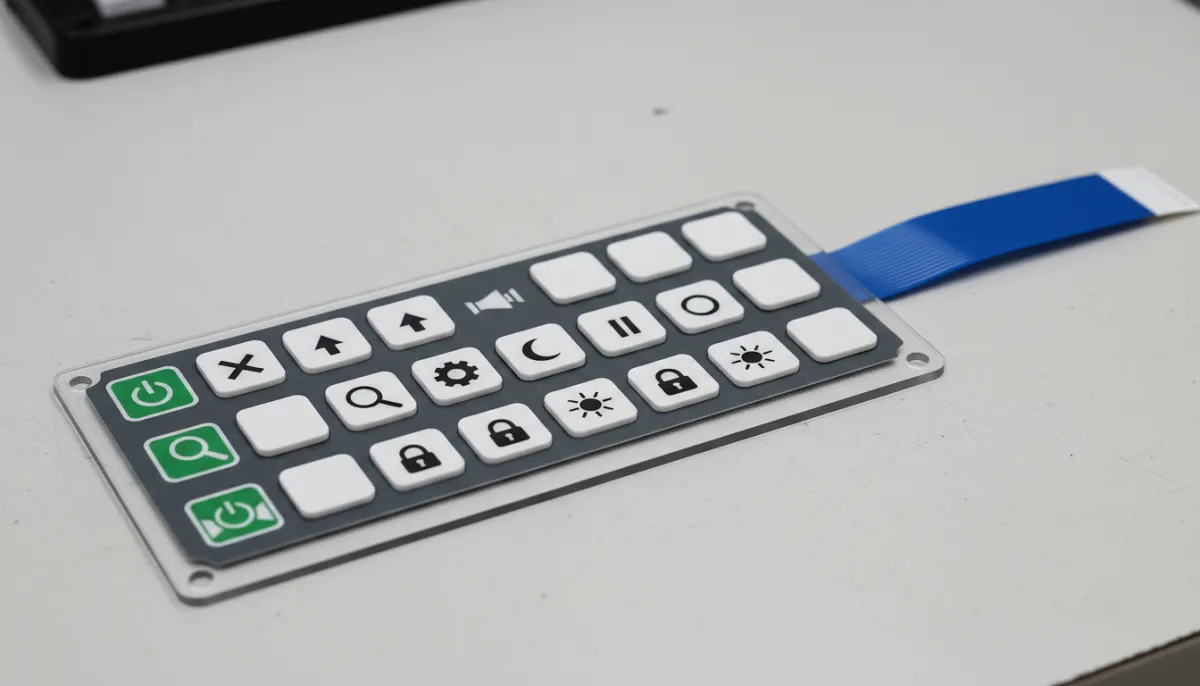
Explore the best substrate choices for your keyboard or panel project, focusing on PC, PET, and Acrylic materials.
Introduction
Selecting the right substrate is vital for the success of your keyboard or panel project. The choice of material plays a crucial role not only in aesthetics but also in durability and functionality. In this article, we will explore three popular substrate options: PC, PET, and Acrylic, discussing the benefits and drawbacks of each.
Differences Between SubstratesWe present three main substrate options: PC, PET, and Acrylic. We will delve into the characteristics of each and the contexts in which they are best utilized.
1. PC (Polycarbonate)
Characteristics:- Exceptional impact resistance.
- Resistant to temperature fluctuations.
- High resistance to aging.
- Durable against weak acids and bases.
- Light transmission rate of 78%, operational temperature range of -30 to 90°C.
Polycarbonate is the most versatile material, meeting the requirements for most membrane switch panels.
Usage Scenarios:- Commonly used in industrial machinery to provide protection against external factors.
- Frequently found in control panels of transportation vehicles such as buses and trains.
- High durability and longevity.
- Stability under various temperature conditions.
- Can be more expensive compared to other alternatives.
- Susceptible to scratches.
2. PET (Polyester)
Characteristics:- Good durability and flexibility.
- High temperature resistance.
- Excellent aging resistance.
- Light transmission rate of 89%, temperature resistance of -10 to 120°C.
PET is often favored for its lightweight and durable nature, particularly in portable devices and electronic products.
Usage Scenarios:- Used in screen protectors for portable electronic devices.
- Commonly chosen for gaming consoles and other consumer electronics.
- High light transparency and appealing aesthetics.
- Lightweight design enhances portability.
- Not as durable as PVC or PC.
- May yellow when exposed to prolonged sunlight.
3. Acrylic
Characteristics:- Excellent transparency and gloss.
- Resistant to UV rays.
- Scratch-resistant.
- Light transmission rate of 92%, temperature resistance of -40 to 85°C.
Acrylic is often chosen for decorative applications and display areas due to its aesthetic appeal.
Usage Scenarios:- Utilized in interior design and lighting products.
- Frequently seen in advertising panels and window displays.
- High transparency and attractive appearance.
- Resistant to scratches.
- Can deform when exposed to high temperatures.
- Tends to be more expensive than other materials.
- Which substrate is best for my project?
It depends on the requirements of your project. Durability and temperature range are the most critical factors. - Should I choose PC or PET?
PC offers greater durability, while PET stands out for its lightweight properties. - Why is acrylic so expensive?
Acrylic's aesthetic qualities and durability typically make it more costly than other materials.