
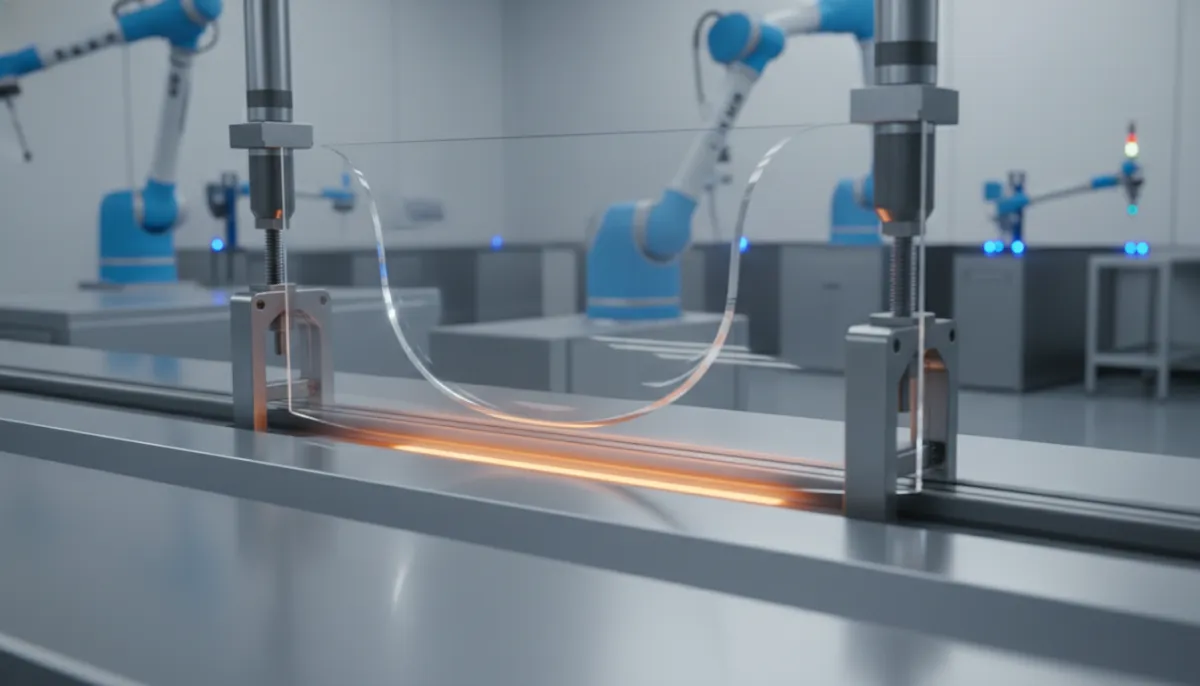
Learn how to bend acrylic sheets effectively for your projects with this comprehensive guide.
Acrylic Sheet Bending Guide
Bending acrylic sheets is a widely used technique in both industrial and personal projects. Acrylic is a highly flexible material that can take on desired shapes when manipulated with the right methods. In this article, we will provide in-depth insights on how to bend acrylic sheets effectively.
What is Acrylic?Acrylic is a type of lightweight yet durable plastic often utilized as a substitute for glass. Its transparent nature and resistance to UV rays make it a popular choice across various applications. Acrylic sheets can be processed through methods like laser cutting, hot bending, and adhesive bonding.
How to Bend Acrylic Sheets?- Preparation Stage: Before bending, you should cut the acrylic sheet to the desired dimensions. This cutting process must be done carefully to ensure a smooth surface.
- Removing the Protective Film: After cutting, don’t forget to peel off the protective film on the acrylic sheet. This film protects the sheet during heating but needs to be removed for the bending process.
- Heating Process: To bend the acrylic sheet, it needs to be heated. You can use a hairdryer, heater, or heat gun for this task. The heat allows the acrylic to become pliable.
- Bending Process: Once heated, the sheet should be carefully bent to the desired angle. It's crucial to monitor the temperature, as excessive heat can cause the acrylic to melt.
- Cooling: After bending, the acrylic should be left to cool for a while. Supporting the bent section during cooling helps maintain its shape.
Acrylic sheets can be utilized in a variety of projects. Here are some example scenarios:
- Phone Holders: Acrylic sheets can be shaped for practical applications, such as phone holders in daily life.
- Signage: In advertising, acrylic can be bent into custom shapes to create visually appealing displays.
- Lighting Fixtures: Acrylic sheets can be bent in various ways for use in lighting design projects.
Advantages
- Flexibility: Acrylic sheets can easily be molded into the desired shape when heated.
- Durability: Lighter and more resilient than glass, acrylic is easier to handle and process.
- Transparency: Acrylic sheets provide a high level of transparency, adding aesthetic value.
Disadvantages
- Heat Sensitivity: Acrylic sheets may melt if exposed to excessive heat.
- Scratch Vulnerability: Being prone to scratches, acrylic can develop unsightly marks that detract from its appearance.
- What temperature should I heat acrylic sheets to bend them? Generally, you should heat them to around 150-160 degrees Celsius.
- What tools can I use? A hairdryer, heat gun, or specialized bending equipment can be used.
- How long does the bending process take? The heating and bending typically take about 10-15 minutes, but cooling may take longer.
Bending acrylic sheets is a straightforward and effective process when the right techniques are applied. Proper cutting of the surface, careful heating, and adequate cooling are critical for successful bending. With this knowledge, you can confidently shape your acrylic sheets for various projects.