
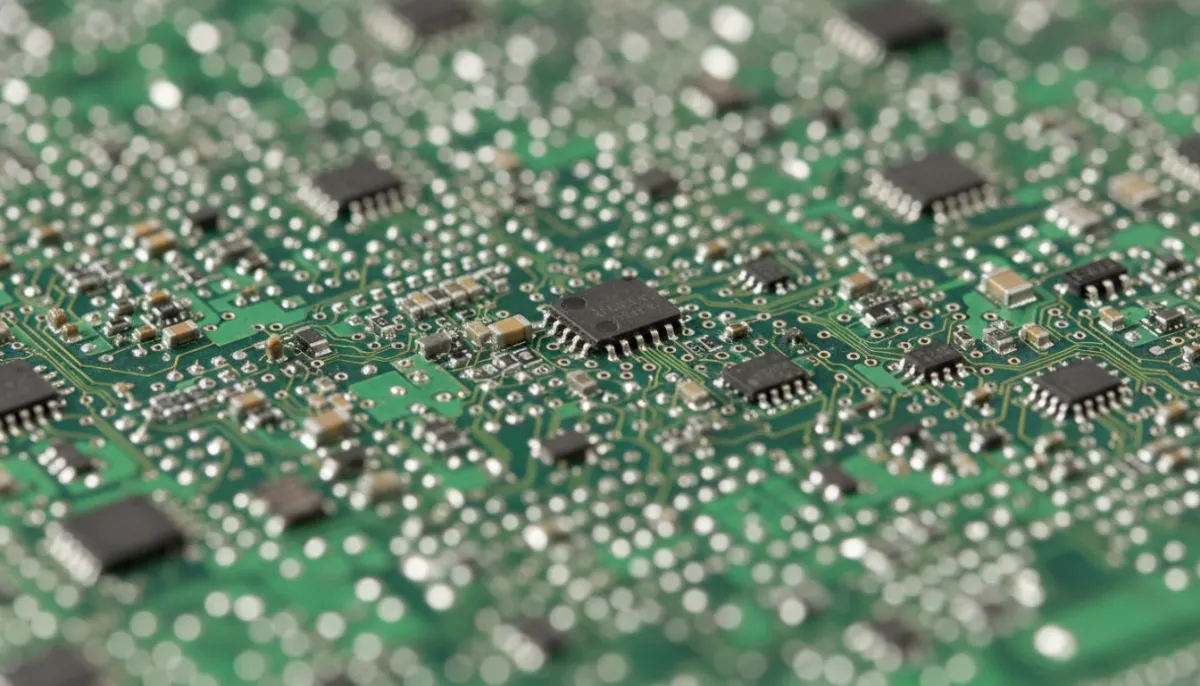
Explore the key differences and relationships between PCBA, SMT, and PCB in electronics manufacturing.
What Are PCBA, SMT, and PCB?
Many newcomers to the electronics industry frequently encounter the terms PCBA, SMT, and PCB. Grasping the distinctions and relationships among these concepts can be challenging. In this article, we’ll clarify these terms in straightforward language to enhance your understanding.
1. PCB (Printed Circuit Board)A PCB serves as a foundation for electronic components, facilitating communication by forming circuits between them. It's typically made from materials such as copper, epoxy, glass, and polyester.
2. SMT (Surface Mount Technology)SMT refers to the process of mounting electronic components onto a PCB. This technology allows components to be placed directly on the surface of the circuit board, resulting in a more compact design and higher connection density.
3. PCBA (Printed Circuit Board Assembly)PCBA signifies the completion of a PCB through processes like SMT, DIP (Dual In-Line Package), testing, and final product assembly. This process encompasses all assembly and testing phases, providing a cohesive service.
Distinguishing Between PCBA, SMT, and PCB
Understanding the fundamental differences between PCBA, SMT, and PCB will enhance our grasp of how these terms function:
- PCB: It is a raw material necessary for the SMT process and is considered a semi-finished product.
- SMT: It is the technology used in circuit board assembly and is the most popular assembly method, applied after purchasing the PCB.
- PCBA: It represents a collection of all processes required to transform a PCB into a finished product.
To better comprehend how these technologies operate, let’s explore a few use cases:
- Electronics Manufacturing: In the production of electronic devices, the PCB is designed first. Then, components are assembled using SMT, and finally, the product is completed through the PCBA process.
- Prototype Development: When developing a new product, designers typically create the PCB first. They conduct trial assemblies with SMT to test the product's functionality.
Examining the pros and cons of these technologies helps us understand when to apply them:
- PCB:
- Advantages: Durable, customizable, and applicable in a wide range of scenarios.
- Disadvantages: The production process can be lengthy and costly.
- SMT:
- Advantages: Enables more compact designs and has a high production speed.
- Disadvantages: Requires high precision and may not be suitable for some components.
- PCBA:
- Advantages: Integrating all processes leads to time and cost savings.
- Disadvantages: The complexity of processes increases the likelihood of errors.
- What is the difference between PCBA and PCB?
A PCB refers to just the circuit board itself, while PCBA is the completed product resulting from the assembly and testing of that board. - Why is SMT important?
SMT allows modern electronic devices to be more compact and efficient. This technology enables a greater number of components to be placed in a smaller space. - How long does the PCBA process take?
The duration of the PCBA process can vary based on the complexity of the project, typically ranging from a few days to several weeks.
PCBA, SMT, and PCB are essential terms in electronics manufacturing, each playing distinct roles in the design and assembly processes of products. Understanding these terms is crucial for grasping the entire production lifecycle.