
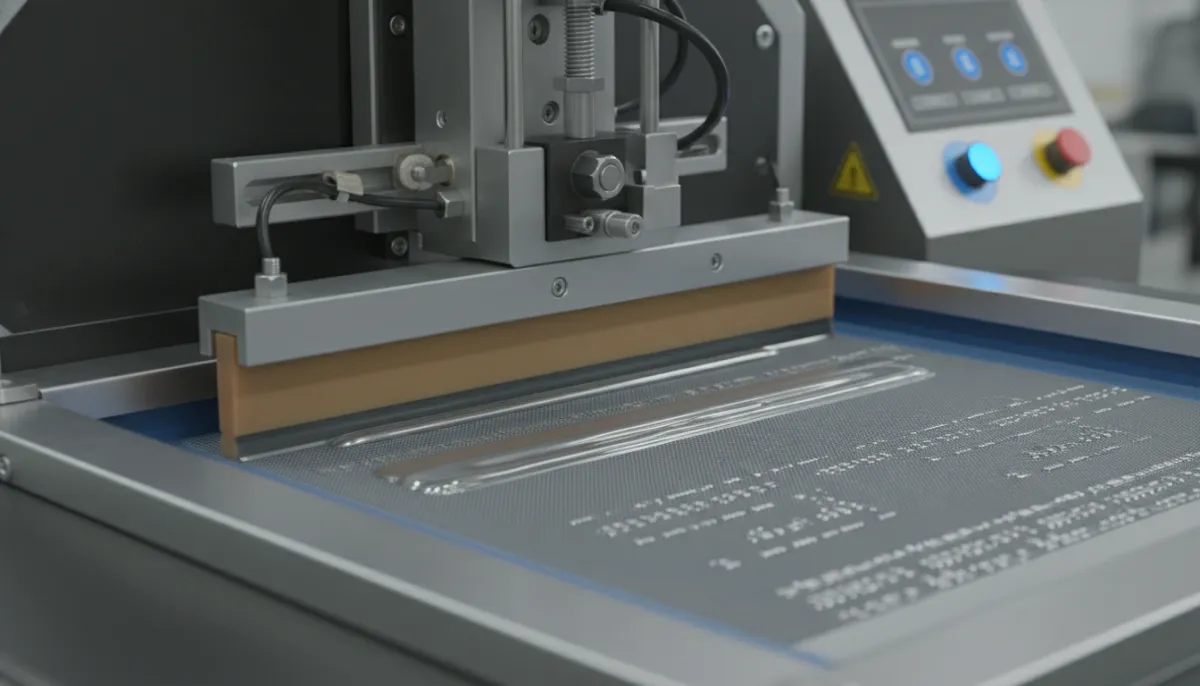
Discover the importance of screen printing ink blends in achieving high-quality custom product designs.
The Significance of Screen Printing Ink Blends
When it comes to custom product designs, the choice of screen printing ink blends plays a vital role. In products such as Membrane Switches and Lexan Labels, achieving the right colors and textures is essential for maintaining the overall quality. Membrane Switches are crucial components that facilitate user interaction with devices, thus they must be both aesthetically pleasing and functional.
During the manufacturing process of Membrane Switches, the designs and text on the graphic layer are created using screen printing. Selecting the right ink consistency and color is indispensable for producing high-quality screen prints. So, how can this ink blend be achieved successfully? Here’s a closer look!
How It Works
Project Planning and Client Expectations
- A detailed discussion regarding ink selections takes place during project planning with the client.
- It's essential to ascertain whether clients prefer Pantone color matching and if they are satisfied with the overall tones of their chosen colors.
- Expectations regarding matte or glossy finishes are confirmed.
- If special effects are desired, limitations of technology are communicated.
Manually Mixing Colors
- To achieve the best results in color mixing, the quantities of ink must be measured meticulously.
- Consideration must be given to how pigments will interact with one another during the mixing process.
- Maintaining cleanliness of the tools and environment during mixing is also crucial.
Technical Details
- The main components used in screen printing ink blends include pigments, binders, and solvents.
- Pigments contribute to the color and opacity of the ink.
- Binders ensure that pigments adhere to surfaces, while solvents enhance the ink’s fluidity and ease of application.
Pros and Cons
Advantages
- Exceptional quality of color and texture is achieved.
- Offers customization options that meet client demands.
- A variety of ink types are available for different surfaces and textures.
Disadvantages
- The ink mixing process can be complex and time-consuming.
- Expertise is needed to achieve the correct color and texture.
- Technological limitations may hinder the application of certain effects.
Frequently Asked Questions (FAQ)
- What are the most common mistakes in screen printing ink mixing? Incorrect measurements and mixing techniques are the most prevalent errors.
- How are special color requests fulfilled? Ink blends can be created according to the Pantone color system.
- What tools are required during the ink mixing process? Tools such as measuring cups, mixing sticks, and precision scales are necessary.
Conclusion
Screen printing ink blending is a process that directly influences the quality of customized products. It requires meticulous work to meet client expectations and achieve high-quality results. Therefore, ensuring the right ink blend is fundamental to the success of any customization project.