
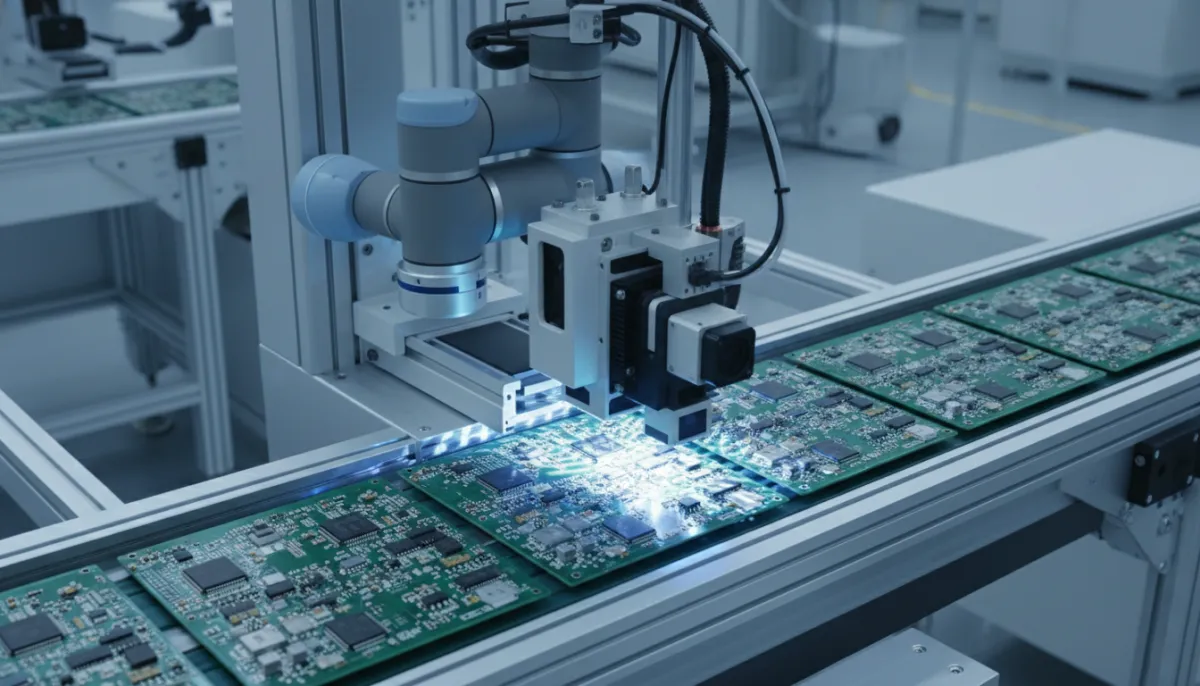
Discover the importance of electronic product assembly and process control in boosting quality and efficiency in manufacturing.
The Significance of Electronic Product Assembly
The assembly of electronic products plays a vital role in today's tech-driven world. As the standard of living continues to rise, electronic devices are becoming increasingly integrated into our daily lives. Consequently, the demands on the manufacturing processes for these products are also escalating.
The assembly process is one of the most critical stages in the production line of electronic devices. Without stringent management and oversight at each key point and critical phase of the production process, ensuring the quality of electronic products becomes unattainable.
Requirements for Assembly Processes
1.1 Assembly Based on Performance Requirements of Electronic Products
The relentless advancement in electronic technology accelerates the development pace of electronic products. This necessitates a continuous improvement of the performance criteria for these products. Therefore, the assembly process must be organized to meet these evolving requirements.
In this context, the following elements should be considered:
- Quality Control: Implementing strict quality control measures at every stage.
- Compliance with Standards: Assembling products in accordance with international standards.
- Equipment and Tools: Utilizing advanced assembly equipment and tools.
1.2 Approaches to Process Control
Effectively controlling the assembly process not only enhances product quality but also shortens production time. Various technological approaches can be employed for this purpose:
- Automation: Robots and automated systems can execute assembly processes more swiftly and accurately.
- Data Analysis: Collecting and analyzing data related to the production process facilitates the quick identification of issues.
- Monitoring Systems: Real-time monitoring systems keep every phase of the assembly process under control.
Pros and Cons
Like any technology, the methods used to improve the assembly process have their advantages and disadvantages.
- Pros:
- Enhances quality.
- Reduces production time.
- Minimizes human error.
- Lowers costs.
- Cons:
- Initial costs may be high.
- Increased dependency on technology.
- Reduction in human workforce may lead to social issues.
Frequently Asked Questions (FAQs)
- What are the advantages of automation in the assembly process?
Automation makes the assembly process faster and more accurate while minimizing human error and reducing production costs. - Why is quality control important?
Quality control plays a critical role in ensuring that products meet standards and achieve customer satisfaction. - What is the cost of automation systems?
The cost of automation systems varies depending on the type of technology used and production capacity, but initial investments can be substantial.
Conclusion
The assembly and process control of electronic products are key factors in gaining a competitive edge in today's industry. With the evolution of technology, ongoing improvements and optimizations of these processes are essential. This will lead to increased production efficiency and the introduction of higher quality products to the market.