
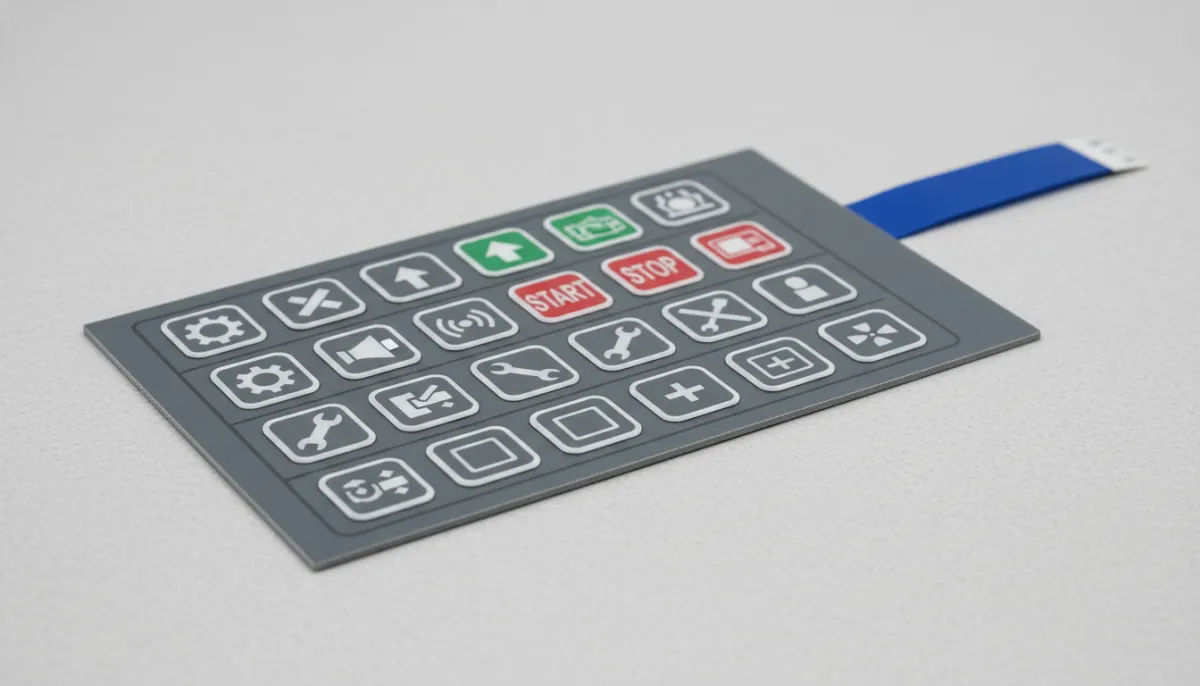
Learn how to improve the water resistance of laptop membrane keyboards with innovative designs and materials.
Enhancing the Water Resistance of Laptop Membrane Keyboards
In today's tech landscape, one of the key features users expect from devices is water resistance. Laptop membrane keyboards must meet these expectations. Specifically, they are anticipated to function without short-circuiting even after being submerged in water at temperatures of 60 degrees Celsius for two hours. This sets a high standard and poses a significant challenge for manufacturers.
Why is water resistance crucial? Many users today live in hot and humid climates, making long-term device usage difficult in such environments. Consequently, laptop manufacturers prioritize the water resistance of membrane keyboards, a feature that can determine a product's success in the market.
Technological Background Membrane keyboards typically consist of a series of keys and sensors laid out on a flexible film. This design can potentially allow water to penetrate. Innovations in waterproofing technology have been developed to enhance the durability of these devices. For instance, using special coatings and water-resistant materials can help make devices more resistant to water damage.
How Does It Work?
Various strategies can be employed to enhance the performance of waterproof membrane keyboards:
- Multi-layer Design: This structure complicates the entry of water into the keyboard's interior.
- Waterproof Coatings: Specialized chemical coatings can prevent water from contacting the keyboard's surface.
- Sealing Mechanisms: Employing waterproof seals around the keys can thwart water ingress.
Usage Scenarios: Laptop membrane keyboards can be utilized in various contexts:
- Office Environments: Employees prefer their devices to be protected against spills of coffee or water.
- Field Work: Engineers and technicians should remain unaffected by moisture while working outdoors.
- Home Use: In households, particularly those with children, the risk of spills is notably high.
Pros and Cons:
- Advantages:
- Longevity: Waterproof keyboards are less susceptible to external factors.
- Reliability: Users can trust in the durability of their devices.
- High Demand: Waterproof products tend to garner more attention in the market.
- Disadvantages:
- Cost: There may be additional expenses associated with waterproof technology.
- Weight: Extra layers can increase the product's weight.
- Design Limitations: Waterproof designs may restrict certain aesthetic features.
Frequently Asked Questions (FAQs):
- Are waterproof keyboards truly water-resistant? Yes, but the level of water resistance depends on the technology used.
- Can a waterproof keyboard be cleaned? Yes, it can be cleaned using specialized methods.
- What materials are used for waterproofing? Typically, materials like silicone, polyurethane, and other waterproof coatings are utilized.
In conclusion, improving the water resistance of laptop membrane keyboards presents a significant challenge for tech manufacturers. However, with the right design and material choices, achieving this goal is feasible. Such advancements will not only enhance user experience but also boost the product's competitive edge in the market.