
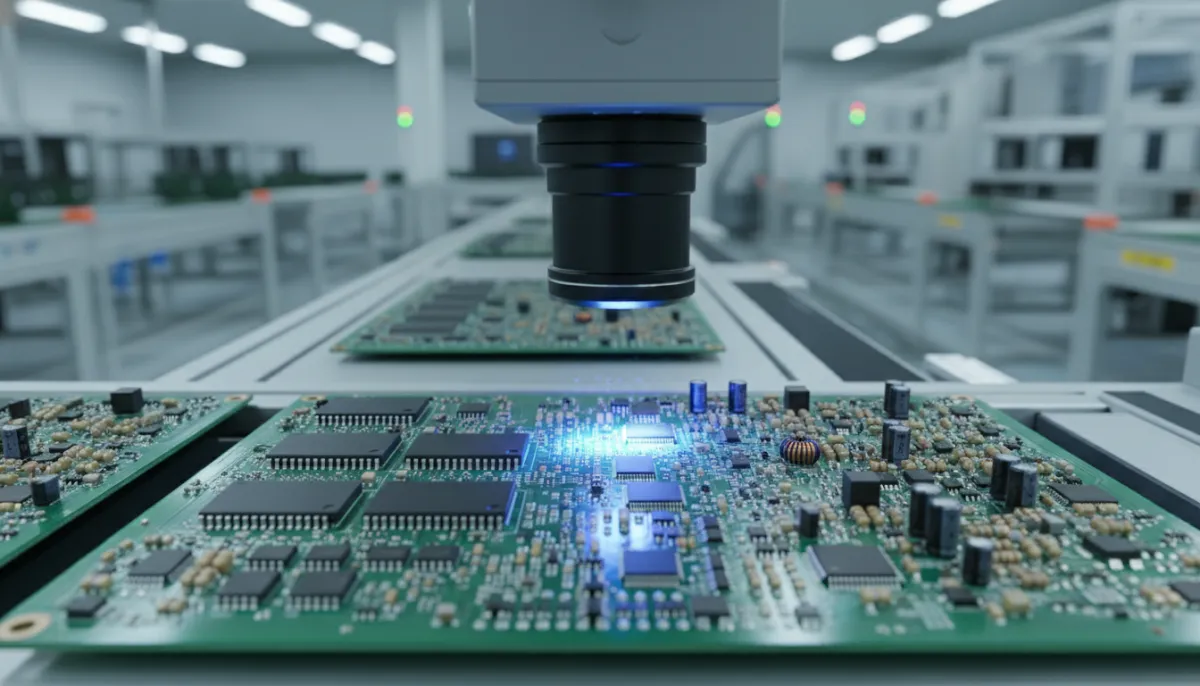
Explore the vital techniques and equipment for PCB testing that ensure product reliability and quality in electronic devices.
The Importance of PCB Testing Processes
Testing printed circuit boards (PCBs) is a crucial step in ensuring product quality. PCBs are fundamental components of modern electronic devices. Any failure can severely impact the functionality of the device and lead to significant issues for users. Therefore, it is vital to test PCBs during their design, manufacturing, and assembly phases.
As the complexity of PCBs increases, the testing processes have also become more advanced. This article will delve into the primary techniques and equipment used in PCB testing.
Techniques for PCB Testing
PCB testing techniques are generally categorized into the following:
- Visual Inspection: This is the most basic testing method. Experts visually examine the PCB to identify errors, circuit breaks, or physical damage.
- Automated Optical Inspection (AOI): This method employs high-resolution cameras to scan the surface of the PCB and verify the correct placement of components.
- X-ray Inspection: Particularly used to examine connections in enclosed areas. X-ray assesses the quality of solder joints and reveals hidden defects.
- Functional Testing: This test checks whether the PCB operates as intended. Typically, it involves powering the PCB and testing specific functions.
Each testing technique offers distinct advantages and drawbacks, making it essential to choose the right method.
Analysis of Advantages and Disadvantages- Visual Inspection:
- Advantages: Quick and cost-effective.
- Disadvantages: Prone to human error and may struggle with complex circuits.
- Automated Optical Inspection (AOI):
- Advantages: Provides high accuracy and speed.
- Disadvantages: May require high initial costs.
- X-ray Inspection:
- Advantages: Capable of detecting defects not visible to the naked eye.
- Disadvantages: Requires complex and expensive equipment.
- Functional Testing:
- Advantages: Allows for real functionality verification.
- Disadvantages: Can be time-consuming and may not check all functions in every test.
Here are a few scenarios illustrating how PCB testing functions in production processes:
- Design Phase: During PCB design, simulation software is used to identify potential errors early on.
- Manufacturing Phase: In every production batch, AOI and visual inspections are conducted to immediately catch any errors that may occur during manufacturing.
- Assembly Phase: After product assembly, functional tests verify that all device functions operate correctly.
- Why is PCB testing important? PCB testing is a critical step in detecting errors during the manufacturing process and enhancing product quality.
- What testing equipment is necessary? Commonly used equipment includes AOI, X-ray, and functional testing tools.
- How long does the testing process take? The duration of testing varies based on the methods used and the complexity of the PCB.
- What are the most common errors in PCB testing? Common issues include solder errors, circuit breaks, and incorrectly placed components.
PCB testing is essential for ensuring the reliability of electronic devices. Advanced testing techniques help manufacturers deliver high-quality products. Understanding PCB testing processes...