
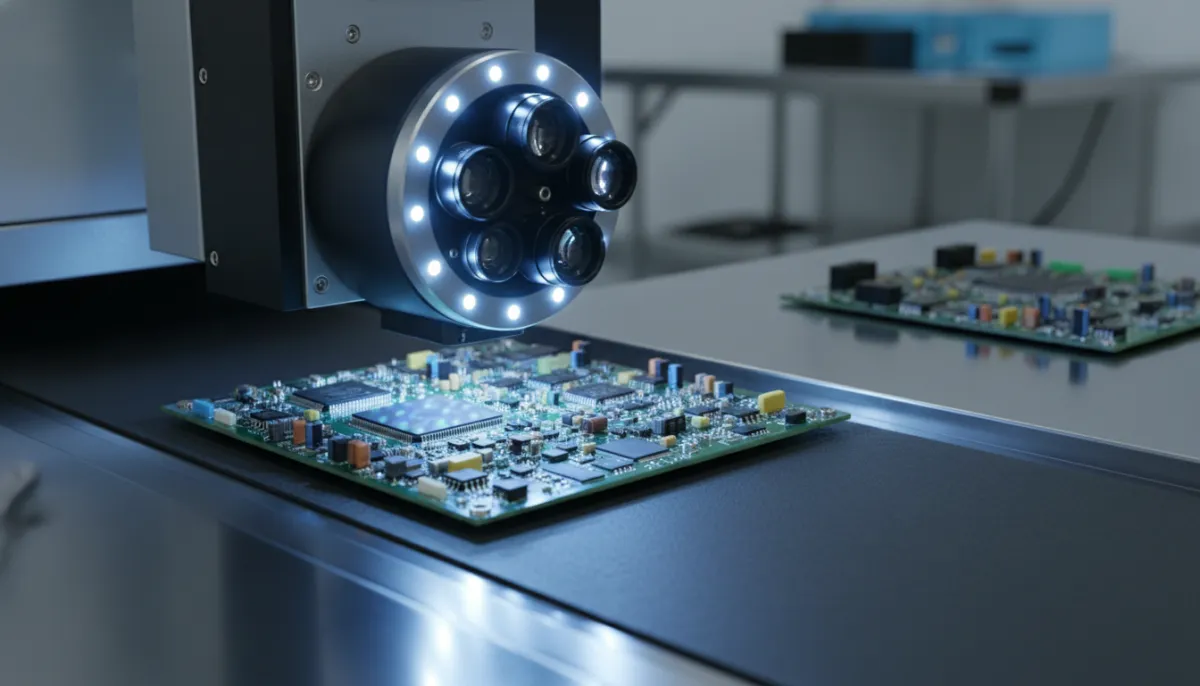
Discover essential guidelines for effective PCB inspections to enhance electronic device reliability and performance.
The Significance of PCB Inspections
Inspecting Printed Circuit Boards (PCBs) is a vital process for ensuring the reliability and performance of electronic devices. In this article, we will explore the fundamental guidelines for PCB inspections and the key points to keep in mind during this procedure. A safe working environment and effective inspection techniques play a crucial role in enhancing product quality. Here are 9 essential rules to follow during PCB inspections:1. Avoid Using Grounded Test Equipment
Steer clear of using grounded testing devices while in contact with live equipment. For instance, it is prohibited to test televisions, audio, and video equipment directly without a power isolation transformer. Failing to adhere to this could result in a short circuit in the power supply.- Utilizing a grounded cabinet helps prevent electric shocks.
- Extra caution is necessary, especially with devices that have high power output.
2. Ensure the Soldering Iron is Properly Insulated
Make sure that your soldering iron is electrically insulated. Confirm that the iron is not powered while in use during soldering.- Grounding the iron's outer casing is the safest approach.
- Pay special attention when working with MOS circuits.
3. Understand the Functionality of Integrated Circuits
Before starting PCB tests, familiarize yourself with the operating principles of integrated circuits and their related circuits. This knowledge will aid you in making more effective decisions during inspections.- Knowing the role of each component in the circuits makes it easier to identify faults.
- Understanding how circuits operate is crucial during the testing phase.
4. Inspect Components on the PCB
Examine the placement and connections of all components on the PCB. Ensuring that components are correctly placed is critical for the smooth operation of the circuit board.- Verify that components are oriented correctly.
- Check that all connections are secure.
5. Conduct Visual Inspections
Performing a visual inspection of the PCB is an effective way to quickly identify issues. Look for physical damage, burn marks, and loose connections during your observations.- A thorough inspection can help you detect issues early on.
- Using a magnifying glass during visual inspections can reveal small errors.
6. Use Testing Equipment Properly
It is crucial to utilize testing tools like multimeters and oscilloscopes correctly. These devices assist in identifying problems by measuring voltage, current, and frequency values on the circuit.- Ensure that testing equipment is properly calibrated.
- Read the user manual of devices before taking measurements.
7. Prioritize Safety Precautions
Safety should always be a top priority during PCB inspections. Use protective gear to guard against electric shocks, burns, or other accidents.- Wearing goggles and gloves enhances safety during inspections.
- Good ventilation is also very important.
8. Keep Spare Parts and Tools Handy
Having spare components and tools available allows for quick resolution of issues that may arise during inspections. Spare parts facilitate the rapid replacement of faulty components.- Always keep testing tools and necessary equipment on hand.
- Ensure that spare parts are stored properly.