
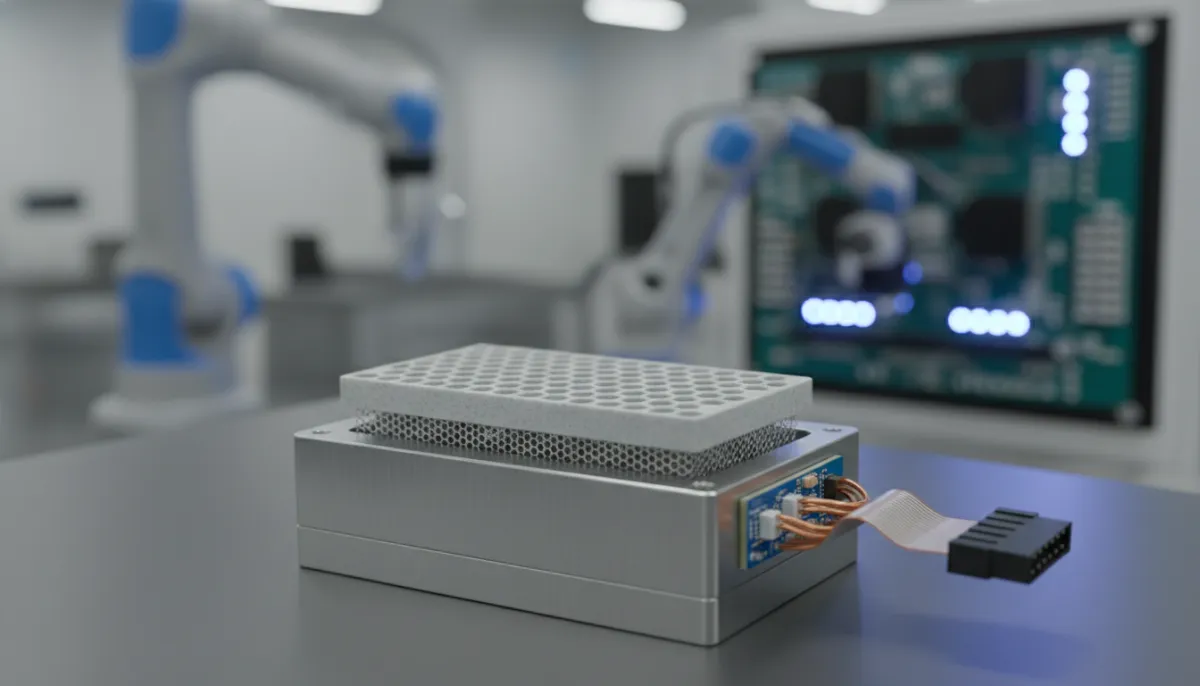
Discover the essential parameters of gas detector sensors for accurate and reliable gas leak detection.
Key Parameters of Gas Detector Sensors
Gas detector sensors are specialized tools designed to identify the concentration of gas leaks. These sensors are typically utilized to analyze the composition and concentration of various gases. With advancements in sensor technology, gas detectors have become practical and widely used tools for the general public. Let’s explore the important parameters to consider when selecting a gas detector sensor.
How Do Gas Detector Sensors Operate? Gas detector sensors employ physical or chemical principles to measure the concentration of specific gases. Most sensors detect the presence of gas by utilizing electrical changes or alterations in the properties of materials that interact with the gas. For instance, a semiconductor gas sensor measures changes in conductivity caused by the impact of gas molecules on its surface.
Applications of Gas Detectors
Gas detectors find application in various fields:
- Industrial Facilities: Continuous monitoring to prevent chemical gas leaks.
- Home Usage: Used in homes to detect natural gas leaks.
- Automotive Sector: Employed to monitor gas emissions in vehicles.
- Medical Field: Utilized in hospitals to ensure the safety of medical gases.
Pros and Cons of Gas Detectors
- Advantages:
- Can quickly detect critical gas leaks.
- Offers ease of installation and use.
- Capable of detecting various types of gases.
- Disadvantages:
- May produce false positive alarms.
- Some models can be costly.
- Require regular calibration.
Frequently Asked Questions (FAQs)
- How often should gas detector sensors be calibrated? It is generally recommended to calibrate sensors at least once a year, though this may vary based on usage conditions.
- What gases can gas detectors sense? Most gas detectors can detect common gases such as methane, propane, carbon monoxide, and ammonia.
- How is maintenance performed on gas detectors? Maintenance includes cleaning the device, checking batteries, and performing calibration procedures.
Key Parameters to Consider When Choosing a Gas Detector
When selecting gas detectors, consider these important parameters:
- Display Error: The difference between the value shown by the detector under test conditions and the concentration of the standard gas used.
- Detection Range: The range of gas concentrations that the detector can accurately measure under normal operating conditions.
- Alarm Error: The difference between the alarm signal value and the set alarm value under test conditions.
The most critical point to remember is that gas detector sensors require regular maintenance and calibration to operate accurately and reliably. This not only enhances safety but also extends the device's lifespan.