
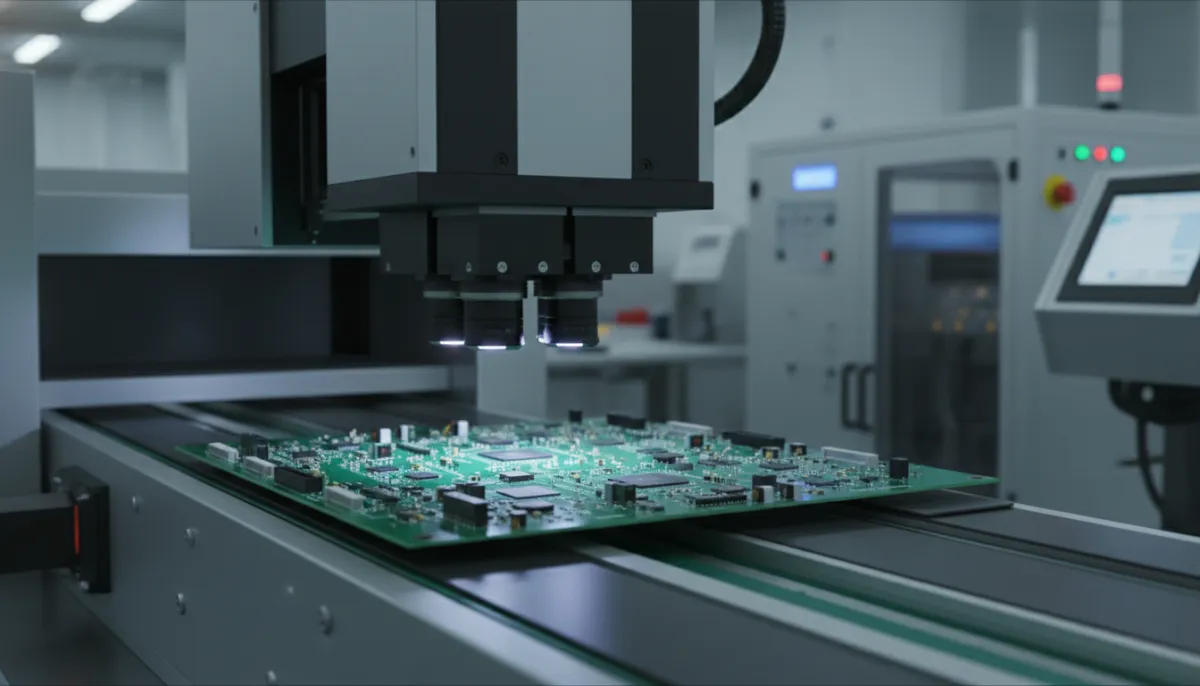
Discover the importance of PCBA testing in ensuring product quality and customer satisfaction in modern electronics manufacturing.
The Significance and Process of PCBA Testing
Testing of PCBs (Printed Circuit Boards) and PCBA (Printed Circuit Board Assembly) plays a pivotal role in ensuring product quality. PCBA testing is one of the final stages in the manufacturing process, influenced by various factors such as materials, workforce, and equipment. Therefore, conducting these tests is essential for achieving customer satisfaction and preventing defective products.The objectives of PCBA testing include:
- Meeting the quality standards set by the customer.
- Verifying that product performance parameters align with design requirements.
- Preventing the delivery of faulty products.
- Development of the Testing Plan: Testing points are determined based on customer requirements.
- Execution of Tests: Testing methods are applied according to established standards.
- Reporting Results: Test outcomes are analyzed, and corrective measures are taken when necessary.
Types of PCBA Tests
PCBA tests are conducted in five primary categories:- ICT (In Circuit Test): Tests parameters such as continuity of connections, voltage, and current values on the circuit.
- FCT (Functional Test): Assesses the functionality of the design; it determines whether all device functions operate correctly.
- Burn In Test: Designed to test the long-term durability of the product; the product is operated under high temperatures and voltages for a specific duration.
- Fatigue Test: Evaluates material fatigue; measures how the product wears over time and its durability.
- Severe Conditions Test: Assesses the product's performance under harsh conditions, considering factors like high temperature and humidity.
- Advantages:
- Enhances product quality; prevents the shipment of defective products.
- Increases customer satisfaction; ensures reliable products.
- Provides long-term cost savings; reduces expenses related to returns and repairs of faulty products.
- Disadvantages:
- Testing processes can be time-consuming; may slow down the production process.
- Can incur additional costs; the expense of testing equipment and expertise is high.
- Why is PCBA testing important?
PCBA testing is crucial for quality control of products and enhances customer satisfaction. - How often should PCBA testing be conducted?
The frequency of testing depends on production volume, product type, and customer requirements. Generally, testing for each production batch is recommended. - Which type of test is most commonly used?
ICT and FCT are typically the most commonly utilized types of PCBA tests. - How long do PCBA tests take?
The duration of tests varies based on the type of test, product complexity, and equipment efficiency.
PCBA testing plays a crucial role in modern electronics manufacturing. Regular and accurate execution of these tests is necessary for quality control, product reliability, and customer satisfaction.