
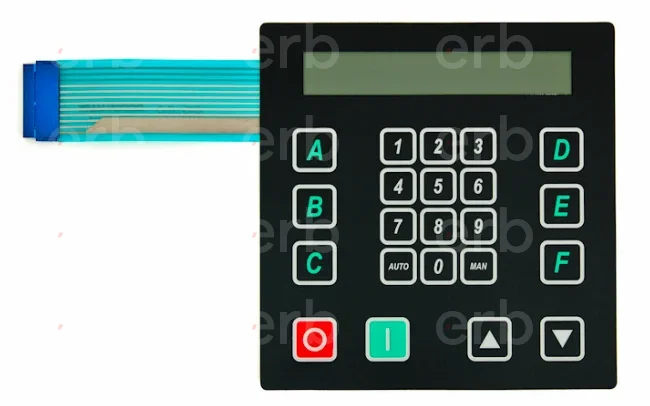
Discover effective testing methods for membrane switches and HMI systems to enhance quality and performance.
How to Effectively Test Membrane Switches and HMIs?
Membrane switches and HMI (Human-Machine Interface) systems are essential components in today’s electronic devices. These switches encompass various elements required for the functionality of electronic circuits. Recognizing that testing these products post-assembly is a vital step, they are designed with touch-sensitive adhesive testing capabilities.
Technical OverviewTypically, membrane switches consist of multiple layers. The top layer, often referred to as Lexan Label, creates the user interface, while the bottom layer houses the electrical circuits. These circuits transmit electrical current when buttons are pressed, allowing specific functions to be executed. Hence, testing is imperative to ensure the circuits operate correctly.
Testing Process- Custom Electrical Circuit Testing: Specialized electrical testers have been developed for this purpose. These testers are utilized to assess the functionality of membrane switches and other printed electronics. Each button, LED, and component is meticulously tested before packaging.
- Visual System Testing: Custom-designed visual systems are employed for inspecting the parts. These systems utilize specialized tools for measurement and visual error checks to ensure the conformity of produced components.
How Does It Work?
The testing process is carefully planned at each stage. For instance, during electrical circuit testing, the tester devices check each component to determine if the circuits function correctly. In visual system tests, the physical inspection of parts is conducted to verify compliance with standards. These processes are crucial for enhancing product quality and improving user experience.
Pros and Cons- Advantages:
- Enhances product quality.
- Prevents faulty products from reaching the market.
- Improves user experience.
- Offers time savings with specialized testing programs.
- Disadvantages:
- Testing processes can be time-consuming.
- May require investment in specialized equipment and software.
- What are membrane switches?
Membrane switches are electronic components designed with multiple layers to ensure the functionality of electrical circuits. - Why is the testing process important?
The testing process is critical for enhancing product quality and preventing the release of defective products. - What testing methods are utilized?
Various methods are employed, including custom electrical circuit tests and visual system tests. - What is the purpose of HMIs?
HMIs are interfaces that allow users to interact with machines, commonly used in industrial applications.
Membrane switches and HMI systems are indispensable in modern electronic devices. These technologies provide users with a convenient and effective control experience. With advancements in electronic circuits, the design and production of membrane switches have also evolved. Today, these switches have become thinner, more durable, and more functional, adapting to changes and aiming to maintain product quality through innovative testing methods.