
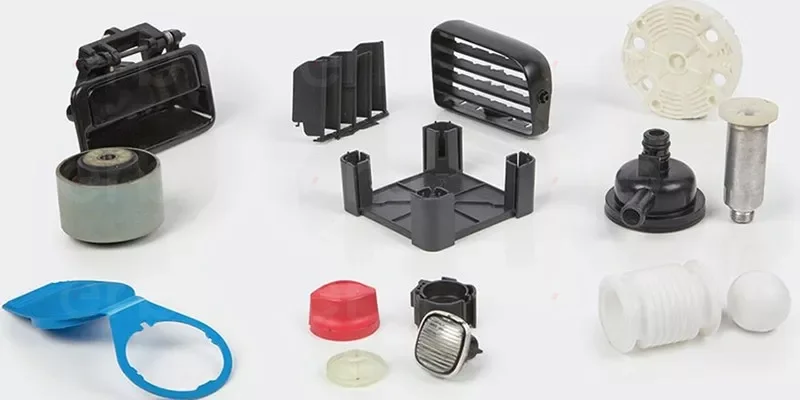
Discover innovative surface treatment techniques for plastic parts, enhancing durability and aesthetics with methods like IMD and UV printing.
In the realm of plastic manufacturing, enhancing durability and aesthetic appeal is paramount. This is where advanced surface treatment techniques come into play. This article delves into six innovative methods that significantly improve the functional and visual characteristics of plastic parts.
1. In-Mold Decoration (IMD)
In-mold decoration (IMD) is recognized as a leading technology for surface enhancement. This innovative technique involves inserting a printed film into a metal mold, with resin injected to bond the film to the resin. The result is a product that seamlessly integrates both components.
Key Features of IMD:
- Durable graphics and logos that withstand wear from friction and chemicals.
- Flexibility in modifying graphics, texts, and colors without the need to change the mold.
- Precision 3D products can be produced with a tolerance of ±0.05mm.
- Keys have a smooth texture, a pleasant tactile feel, and can endure over a million cycles.
- Composite mold processing facilitates the creation of seamless products.
2. Out-Mold Decoration (OMD)
Out-mold decoration (OMD) enhances the aesthetic and functional qualities of plastic components. This technique builds upon IMD by incorporating 3D decoration technology, merging printing, texture, and metallization.
3. Painting
A traditional yet effective method, painting enhances the visual appeal of plastic parts by offering a variety of colors and textures tailored to individual preferences.
4. Coating
The coating technique involves applying a protective layer of metal or other materials on plastic surfaces. This not only enhances durability but also adds a decorative finish to the components.
5. UV Printing
Utilizing specialized UV rays and fast-drying inks, UV printing enables the creation of vibrant, high-resolution prints on plastic surfaces.
6. Thermal Transfer Printing
This method employs heat to transfer intricate designs onto plastic surfaces, allowing for the application of detailed graphics and text.
Application Scenarios
These surface treatment techniques find widespread application across various industries:
- In the automotive industry, IMD and OMD are used to enhance the aesthetics and durability of interior components.
- UV printing is ideal for producing colorful and detailed graphics on consumer electronics.
- Painting and coating techniques improve the visual appeal of household items.
Pros and Cons of Surface Treatment Techniques
Every surface treatment method offers distinct advantages and disadvantages:
Advantages:
- Aesthetic Appeal: Enhances the visual attractiveness of products.
- Durability: Significantly improves the longevity of plastic parts.
- Customization: Allows for diverse graphic and color options to personalize products.
Disadvantages:
- Cost: Some techniques may be expensive to implement.
- Time: Certain processes could extend production timelines.
- Technical Challenges: Some methods may require specialized equipment and expertise.
Frequently Asked Questions (FAQs)
1. Why are surface treatment methods significant?
Surface treatments are essential for enhancing the visual and durability aspects of plastic components.
2. Which surface treatment method is the most effective?
The best method depends on the intended use and design requirements of the product. For instance, IMD is favored for its durability and aesthetic benefits.
3. Are these surface treatment methods environmentally friendly?
The environmental impact varies based on the materials and processes used in each method.