
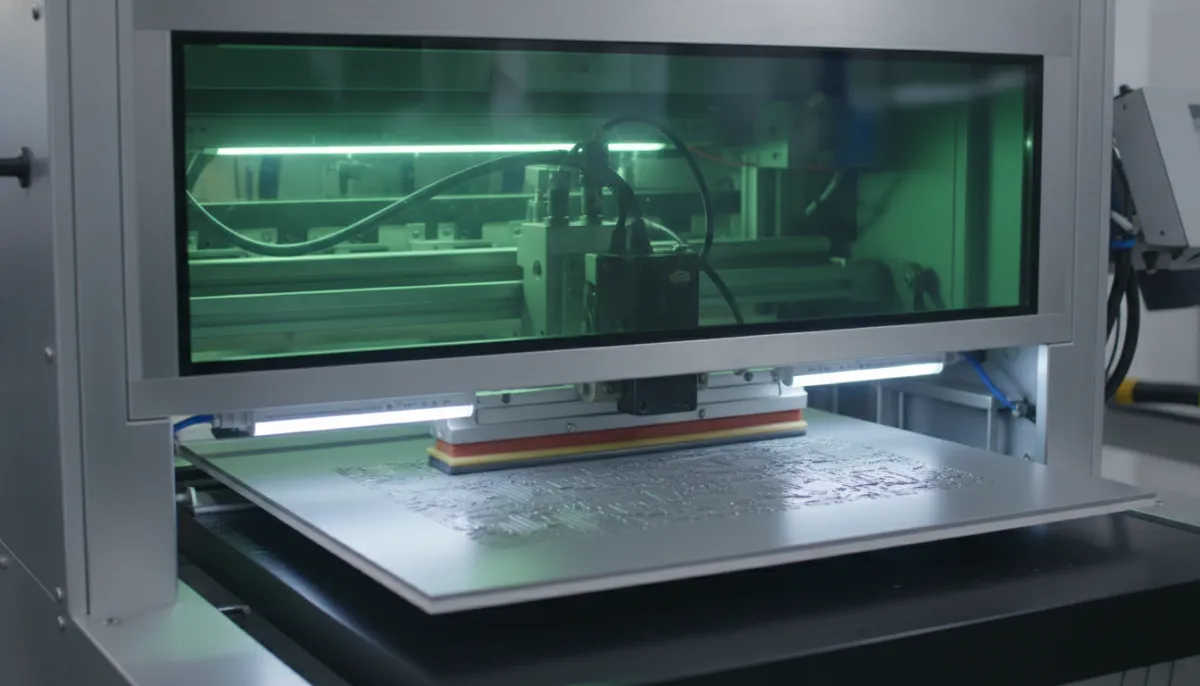
Discover the diverse applications and benefits of functional printing in various industries, enhancing both aesthetics and functionality.
Understanding Functional Printing and Its Applications
Functional printing represents an advanced form of traditional printing, designed not only for aesthetic appeal but also to serve practical purposes. This innovative technology gained prominence starting in 2012, particularly highlighted at the Drupa Fair, and has gradually integrated into our daily lives.
The applications of functional printing are vast. Let's delve into some scenarios where this technology shines:
- Smartphones and Tablets: Printing technologies enhance the functionality of touchscreens.
- Food Packaging: Labeling systems that ensure food safety and traceability.
- Medical Devices: Products like blood glucose meters that utilize functional printing in healthcare.
- Textiles: Customized prints for personal apparel and home textiles.
- Labeling and Logistics: Used for storage labels and book management systems.
The advantages of functional printing include high-volume production, reduced production costs, and flexible application methods. These features distinctly set it apart from traditional printing.
How Functional Printing Works
This process relies on specialized inks and technologies, such as:
- Screen Printing: Applies thick ink layers for high opacity and durability.
- Digital Printing: Offers fast and customizable printing options.
- Flexography: A cost-effective printing method commonly used in packaging.
Each of these techniques enables functional printing to be utilized in diverse fields.
Pros and ConsHere are some key advantages and disadvantages of functional printing:
- Advantages:
- Provides enhanced functionality.
- Offers customizable design options.
- Facilitates time savings with quick production processes.
- Can utilize eco-friendly inks.
- Disadvantages:
- Initial costs can be high.
- Requires technical expertise.
- May not be suitable for all applications.
- What is functional printing?
Functional printing is a type of printing used for both aesthetic and functional purposes. - What are the benefits of functional printing?
It offers advantages such as high-volume production, low costs, and customization options. - In which industries is it used?
It is utilized across various sectors, including textiles, food packaging, electronics, and medical devices. - Are there drawbacks to functional printing?
Yes, initial costs can be significant, and it may not fit every application. - How does functional printing differ from traditional printing?
Functional printing focuses on providing functionality, while traditional printing is largely concerned with aesthetics.
Functional printing is a technology that pushes the boundaries of traditional printing, offering innovative solutions. As technology evolves, this printing method is expected to continue making its mark across various sectors. In the future, its applications are likely to expand further.