
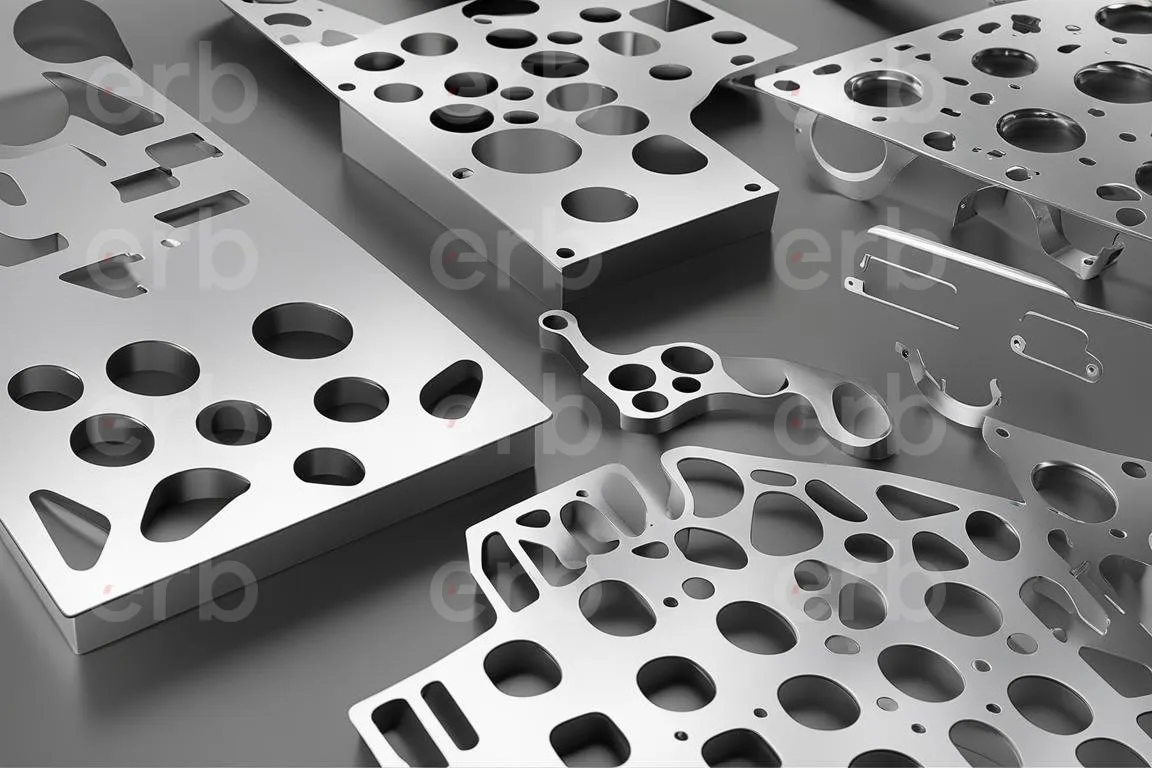
Discover the key features and applications of sheet metal in engineering and manufacturing, highlighting its versatility and benefits.
What is Sheet Metal?
Sheet metal represents a specialized sector in metalworking technology. It encompasses a process where metal materials undergo bending, welding, stamping, and cutting to create desired metallic components. This process is pivotal in the fields of engineering and manufacturing.
There are various types of sheet metal, including automotive sheet metal, black and white iron sheet metal, and chassis mechanical sheet metal, among others. One of the critical characteristics of sheet metal is its consistent thickness across the same component.
Characteristics of Sheet Metal
The attributes of sheet metal include lightweight, high durability, electrical conductivity, and cost-effectiveness. These qualities make it suitable for mass production. Furthermore, sheet metal finds extensive applications across diverse sectors, including communications, chassis, automotive, electronics, and home appliances, showcasing its versatility as a material.
Processing Sheet Metal- Bending: This involves shaping metal pieces at specific angles, typically performed using a bending machine.
- Welding: A process that merges different metal parts through heat and pressure, creating strong and durable connections.
- Stamping: This is the procedure of cutting metal pieces into desired shapes and sizes, usually executed with a stamping machine.
- Cutting: The act of slicing metal into defined dimensions, commonly done with cutting machines or saws.
- Advantages:
- Its lightweight nature makes it easy to transport.
- Offers exceptional durability.
- Facilitates low-cost production.
- High electrical conductivity, beneficial for electronic applications.
- Disadvantages:
- Thickness requirements can be stringent, complicating the manufacturing process.
- If not handled carefully during processing, metal deformation may occur.
- Exposed to high temperatures, it risks losing structural integrity.
Sheet metal can be utilized in various industries in multiple ways. Here are some illustrative use cases:
- Automotive Industry: Used for components such as vehicle bodies, hoods, and roofs, sheet metal enhances fuel efficiency due to its lightweight and robust properties.
- Electronic Devices: Commonly used in computer casings and other electronic components, it boosts the safety and durability of devices.
- Home Appliances: Kitchenware and other household equipment are made from sheet metal, ensuring products remain lightweight yet sturdy.
- What are the advantages of sheet metal? Its lightweight, high durability, low cost, and electrical conductivity make sheet metal an ideal material for various industries.
- Where is sheet metal used? Sheet metal is prevalent in sectors like automotive, electronics, home appliances, and communications.
- What does the sheet metal processing process entail? The processing of sheet metal includes steps like bending, welding, stamping, and cutting.
Sheet metal plays a crucial role in engineering and manufacturing. Therefore, it's essential for engineers to be proficient in sheet metal design, taking into account numerous factors that impact the efficiency of the production process and the quality of the final product.