
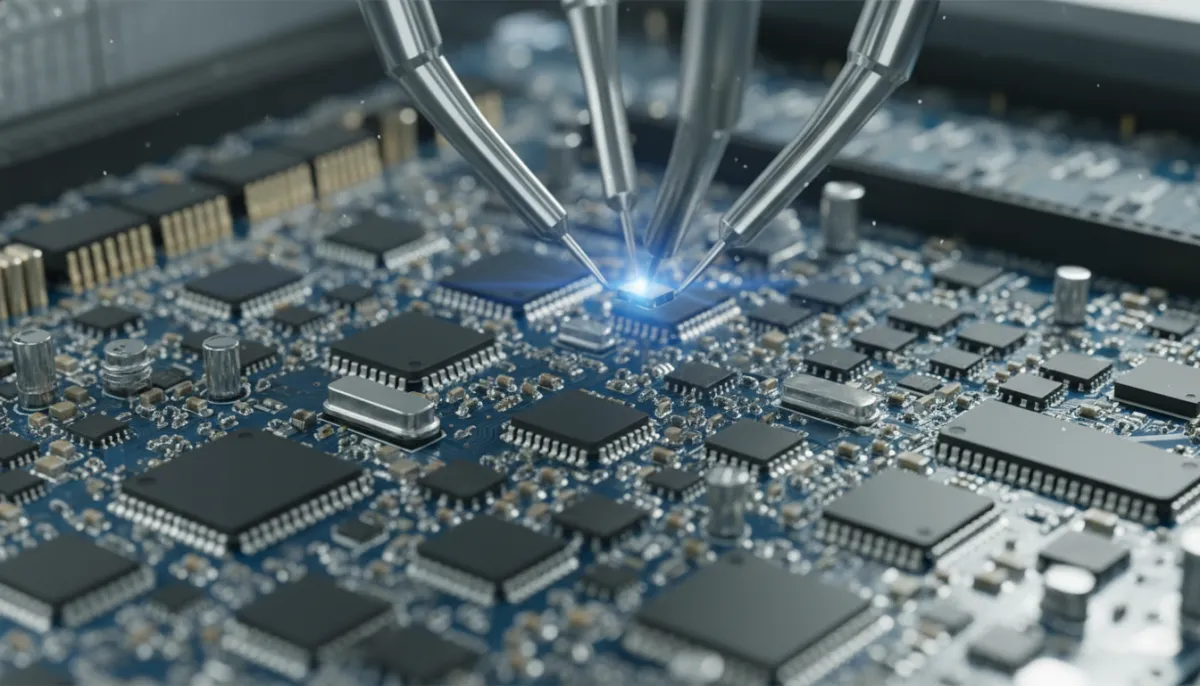
Discover the essence of embedded systems, their applications in daily life, advantages, disadvantages, and future trends.
What Are Embedded Systems?
Embedded systems are application-oriented frameworks that can flexibly customize software and hardware modules based on user requirements, built on the foundation of modern computing technology. These systems are prevalent in everyday devices we encounter, including smartphones, automobiles, kitchen appliances, and security systems.Definition of Embedded Systems: According to the IEEE (Institute of Electrical and Electronics Engineers), embedded systems are defined as devices that control, monitor, or support the operation of equipment, machines, or facilities.
The Operating Principle of Embedded Systems
The core functionality of embedded systems relies on the integration of hardware and software components designed to perform specific tasks. Typically, these systems consist of the following components:- Hardware: Physical components such as processors, memory, and input-output units.
- Software: Application software developed to ensure the functionality of the hardware.
- Development Environment: Software and tools that facilitate the design and testing of embedded systems.
- Automotive: In-car infotainment systems, engine control units.
- Home Automation: Smart thermostats, security systems.
- Healthcare Technology: Medical devices, wearable health trackers.
- Industrial Automation: Robots, control systems for manufacturing machines.
- Advantages:
- Customizability: Can be tailored to meet user needs.
- Efficiency: Optimized performance for specific tasks.
- Integrated Solutions: Hardware and software work together to create more effective systems.
- Disadvantages:
- High Development Costs: Custom systems can be expensive in terms of time and resources.
- Maintenance Challenges: Unique software and hardware combinations may complicate maintenance.
- Compatibility Issues: Integrating different systems can pose difficulties.
- What are embedded systems used for? They are utilized in various sectors, including automotive, healthcare, home automation, and industrial automation.
- What are the benefits of embedded systems? They offer many advantages, such as customizability, efficiency, and integration.
- How do embedded systems operate? They function through the integration of hardware and software components to perform specific tasks.
- What are the downsides of embedded systems? They can present disadvantages like high costs, maintenance challenges, and compatibility issues.