
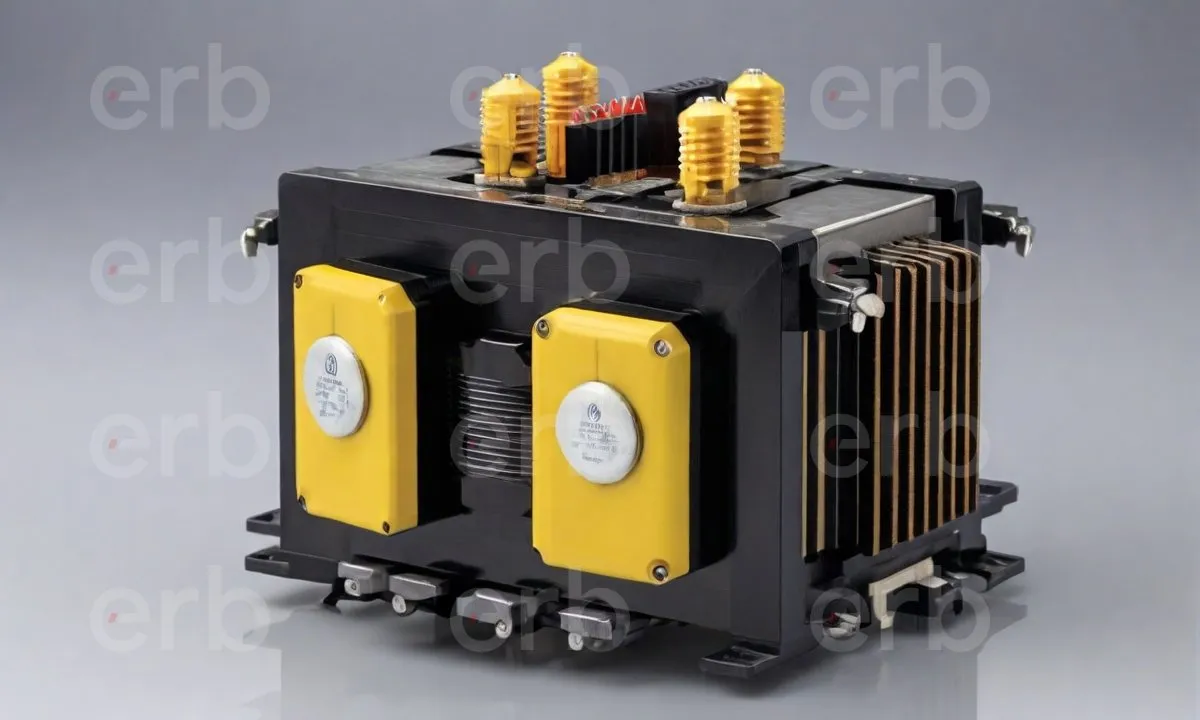
Discover the functionalities and applications of high frequency transformers in modern technology.
What is a High Frequency Transformer?
High frequency transformers are electronic devices designed to convert electrical energy from one voltage level to another, typically operating with high-frequency signals. Utilizing the principle of electromagnetic induction, these transformers facilitate energy transmission and voltage transformation.
Generally, when alternating current (AC) voltage is applied to transformers, a voltage is induced in the primary winding, which is then transformed into a different voltage level in the secondary winding. However, high frequency transformers are specially designed to operate within specific frequency ranges, often functioning at MHz levels.
Principles of Operation for High Frequency Transformers
The operation of high frequency transformers can be summarized in the following steps:
- Electromagnetic Induction: The AC voltage applied to the primary winding generates a magnetic field that induces a voltage in the secondary winding of the transformer.
- Voltage Transformation in the Secondary Winding: The voltage induced in the secondary winding varies based on the applied frequency, enabling effective energy transfer.
- Air-Core Design: High frequency transformers often utilize air-core designs, meaning they employ air instead of a magnetic core, which enhances performance at higher frequencies.
For instance, a high frequency transformer is commonly used in LED lighting systems, which employ these transformers to convert low voltage AC power sources to the operational voltage required by LEDs.
Pros and Cons- Advantages:
- High Efficiency: High frequency transformers minimize energy loss, offering exceptional efficiency.
- Compact Size: Air-core designs generally allow for smaller and lighter transformers.
- High Frequency Performance: Operating at elevated frequencies provides distinct advantages for specific applications.
- Disadvantages:
- Heating Issues: Due to their operation at high frequencies, these transformers can experience heating problems.
- Higher Costs: The advanced technology and materials used can make them more expensive than standard transformers.
- In what applications are high frequency transformers used? They are typically found in LED lighting, radio frequency (RF) applications, and telecommunications systems.
- What is the biggest advantage of these transformers? Their primary advantages are high efficiency and compact size.
- What disadvantages do high frequency transformers have? They can face issues related to heating and higher costs.
In recent years, high frequency transformers have carved out a significant niche in both electronic and industrial applications. Traditional transformers typically operate with low frequency AC signals, while high frequency transformers have been developed for energy transmission in more complex and rapid systems. This technology plays a critical role in renewable energy systems, electric vehicles, and advanced communication systems.
In conclusion, high frequency transformers have become an indispensable element of modern technology, and they are expected to find even broader application areas in the future.