
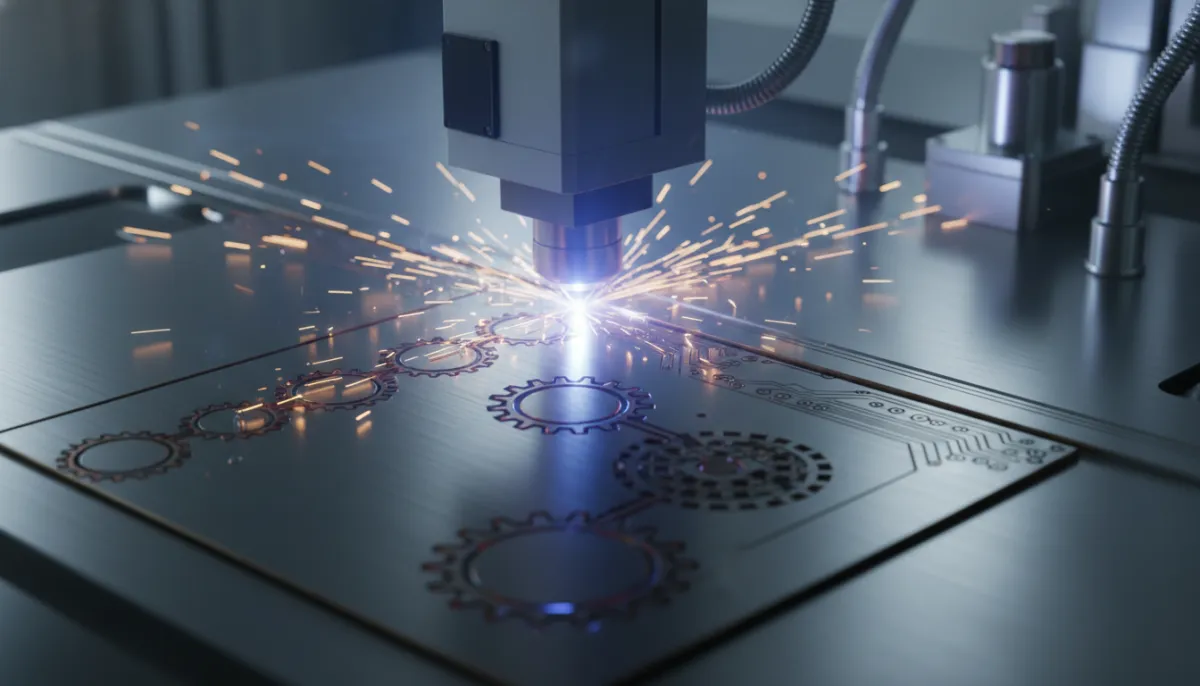
Explore the transformative impacts of laser processing technology in metal fabrication, its benefits, applications, and key considerations.
Benefits and Applications of Laser Processing Technology
Introduction: Laser processing presents a groundbreaking alternative to traditional methods in metal fabrication workshops. Unlike conventional techniques that involve cutting, drilling, and bending, laser technology enables precise cuts without the need for molds. This article will delve into the functionality of laser processing, its pros and cons, and various application scenarios, along with frequently asked questions.How Laser Processing Works: Utilizing high-energy laser beams, this technique generates heat on the material’s surface to perform cutting or drilling. When the laser interacts with the material, it creates high temperatures that lead to vaporization or melting of the material.Application Scenarios: To understand how laser processing technology is utilized across different scenarios, consider the following examples:- Small Batches: Ideal for low-volume production, laser processing allows for rapid product development. For instance, if a prototype needs to be quickly produced, the time-consuming mold preparation is eliminated.
- Customized Designs: When special designs are required according to customer specifications, laser processing can swiftly and flexibly accommodate these requests.
- Complex Geometries: This technology simplifies the implementation of intricate and detailed designs, making it possible to produce complex parts with precision.
- No Mold Requirement: By eliminating the need for molds, laser processing saves both time and costs.
- Short Production Times: Offering a quick production process, laser technology helps products reach the market faster.
- High Precision: Laser processing enables extremely accurate cuts, allowing for the production of high-quality items.
- High Equipment Costs: The initial investment in laser processing machines can be substantial, potentially posing a barrier for small businesses.
- Material Limitations: The types of materials that can be processed with lasers may be limited. While metals, plastics, and certain composites are typically suitable, other materials may not be.
- What materials can be processed with lasers? Laser processing is commonly used for metals, plastics, wood, and some composite materials.
- How long does laser processing take? The cutting time varies based on the material’s thickness and complexity but is generally faster than traditional methods.
- Is laser processing environmentally friendly? Typically generating less waste and ensuring energy efficiency, laser processing can be considered an eco-friendly alternative.