
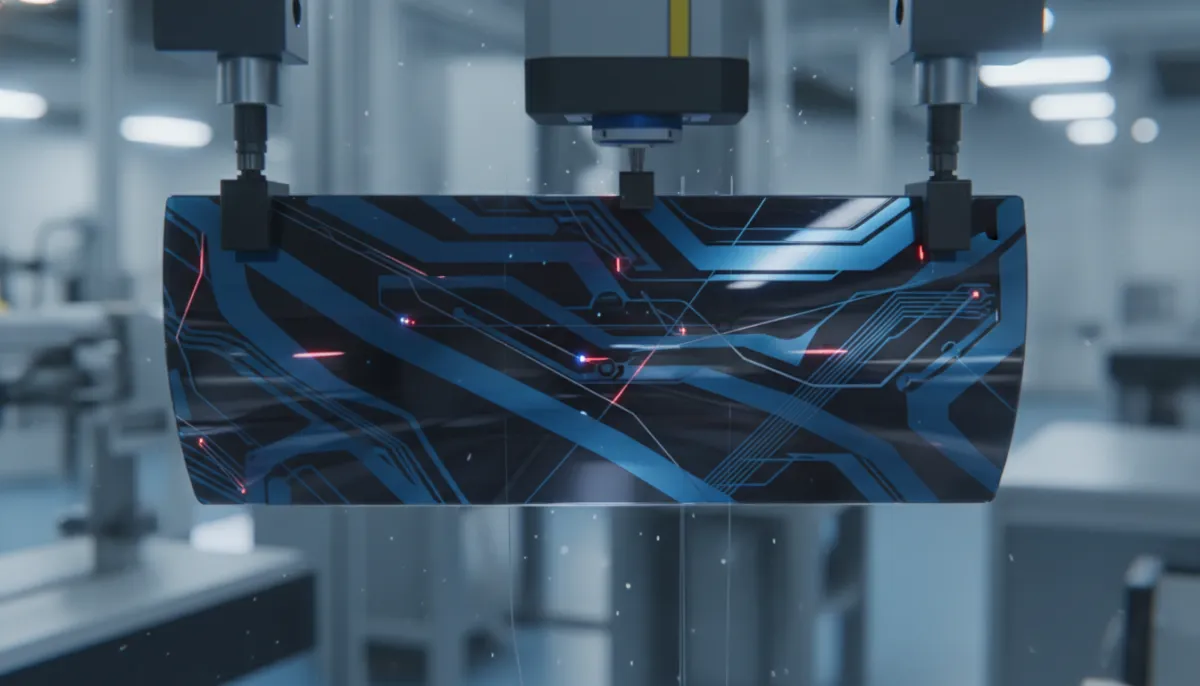
Explore the innovative In-Mould Decoration (IMD) technology, its benefits, drawbacks, and applications across various industries.
What is In-Mould Decoration?
In-Mould Decoration (IMD) is a manufacturing technique that integrates a decorative printed layer with injection molding. This method is increasingly popular in modern production, playing a crucial role in creating durable and visually appealing products. How does IMD technology function?
How IMD Technology Operates
The IMD process begins with placing a decorative layer inside the mold during injection molding. The materials used must withstand high temperatures and pressure. The quality of printing is vital for the clarity of the design and color accuracy. Below are the essential steps in the IMD process:
- Material Selection: Choosing the right material is the first step to successful IMD. It should be capable of withstanding high temperatures and pressures while exhibiting excellent printing properties.
- Printing Precision: The accuracy of the printing process is necessary for faithfully reflecting details in a delicate decorative layer. High-precision printing machines utilize technologies like silk screen or digital printing.
- Adhesion Strength: The decorative layer must bond tightly to the underlying surface to provide protection against friction, scratches, and chemical wear. Enhancing chemical adhesion strength is also crucial.
The IMD process not only enhances the aesthetic appeal of products but also ensures durability and longevity. Because of these attributes, IMD is widely adopted across various sectors, including automotive, electronics, and consumer goods.
Advantages and Disadvantages of IMD TechnologyBenefits:
- Aesthetic Variety: IMD allows for a range of color and pattern options, enriching the visual appeal of products.
- Durability: The surfaces of products exhibit high resistance to scratches and chemical effects.
- Complex Patterns: Fine printing details enable the creation of intricate and detailed designs.
Drawbacks:
- Cost: The use of high-quality materials and precise printing machines can drive up costs.
- Production Time: The IMD process may take longer compared to other manufacturing methods.
What are the benefits of IMD?
IMD offers aesthetic diversity, durability, and the capability to create complex patterns.
How much does the IMD process cost?
Costs vary based on material quality, printing technology, and production volume.
In which industries is IMD used?
IMD is utilized in various sectors, including automotive, electronics, and consumer products.
What are the disadvantages of IMD?
Cost and production time are the main disadvantages of IMD.
ConclusionThe In-Mould Decoration (IMD) technology holds a significant place in contemporary manufacturing processes. Attention to technical elements such as material selection, printing precision, and adhesion strength is essential for achieving high-quality results. The aesthetic and durability benefits provided by IMD make it a preferred method in numerous industries.