
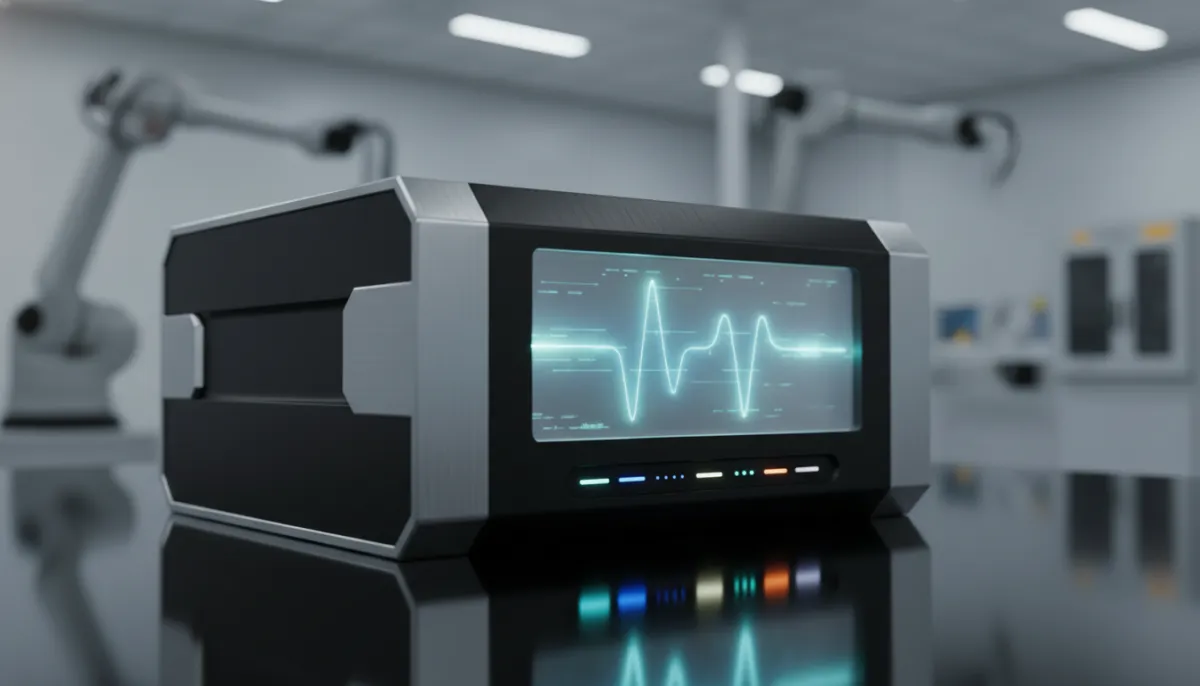
Explore the latest trends in electronic measurement tools, their advantages, and potential challenges in industrial applications.
Introduction
Innovative electronic measurement tools are pivotal in various industrial and electronic applications. This article highlights the current landscape, technical specifications, and structural characteristics of these instruments. Measurement tools play a crucial role in industrial advancements, particularly when paired with Membrane Switch panels.
Current Landscape of Electronic Measurement Tools
Advanced electronic measurement instruments are utilized in a wide array, from digital automated measurement systems to virtual electronic measurements. Two key technologies play a critical role in this evolution:
- Micro measurement technology
- Network technology
Industries, especially manufacturing companies and natural disaster prediction equipment, have high and specialized requirements for measurement technology. Consequently, these electronic measurement tools possess unique contemporary features.
Features and Use Cases
The evolving measurement instruments have undergone significant functional evolution. Here are some crucial advantages they offer:
- Multifunctionality: Unlike traditional hardware-based measurement systems, modern electronic instruments can adapt software settings to meet specific measurement needs, serving multiple purposes.
For instance, a temperature measurement device can measure both temperature and humidity through software updates, allowing users to conduct various measurements with a single device.
- Precision Measurement: Thanks to micro measurement technology, these instruments can provide more accurate results, which is vital in engineering and research fields.
For example, an engineer can obtain more precise data by using these accurate measurement tools to test the durability of a material.
- Data Collection and Analysis: Network technology enables the remote collection and analysis of measurement data. This simplifies data management and accelerates decision-making processes.
For example, a natural disaster prediction system can utilize electronic measurement tools to gather data and send real-time alerts, enhancing safety for individuals.
Pros and Cons
While electronic measurement tools offer numerous benefits, they also have some drawbacks:
Advantages:- High precision: Micro measurement technology delivers more accurate results.
- Versatility: Multiple measurements can be taken with a single device.
- Remote access: Network technology enables remote monitoring and analysis of data.
- High cost: The use of advanced technologies may require significant initial investments.
- Complexity: Software updates and adjustments can be complicated for users.
- Security issues: Network-connected devices may be more vulnerable to cyberattacks.
Frequently Asked Questions (FAQs)
1. Why are electronic measurement tools so important?Electronic measurement tools provide the ability to collect and analyze precise data in industry, enhancing production processes and quality control.
2. What is micro measurement technology?Micro measurement technology allows for precise measurements of very small scales, applicable in a broad range from scientific research to industrial applications.
3. How does network technology work?Network technology enables measurement tools to connect to the internet for data collection, facilitating remote monitoring and analysis.