
Explore the future of printing and flexible sensor technologies, their benefits, challenges, and diverse applications in modern industries.
Innovative Printing and Flexible Sensor Technologies Poised for the Future
Printing and flexible sensor technologies hold remarkable potential to transform our modern world. They offer diverse applications across various sectors such as the industrial internet, wearable devices, automotive interiors, and smart buildings. In this article, we will explore how these technologies function, their benefits, and the challenges they face.
Benefits of Flexible Sensors:- Lightweight: Flexible sensors are significantly lighter than traditional rigid sensors.
- Flexibility: These sensors can be manufactured in various shapes, making them suitable for a wide range of surfaces.
- Production Costs: Printing technology allows for high-volume continuous production, which can lower costs.
- Multiple Measurement Parameters: They can measure various parameters simultaneously.
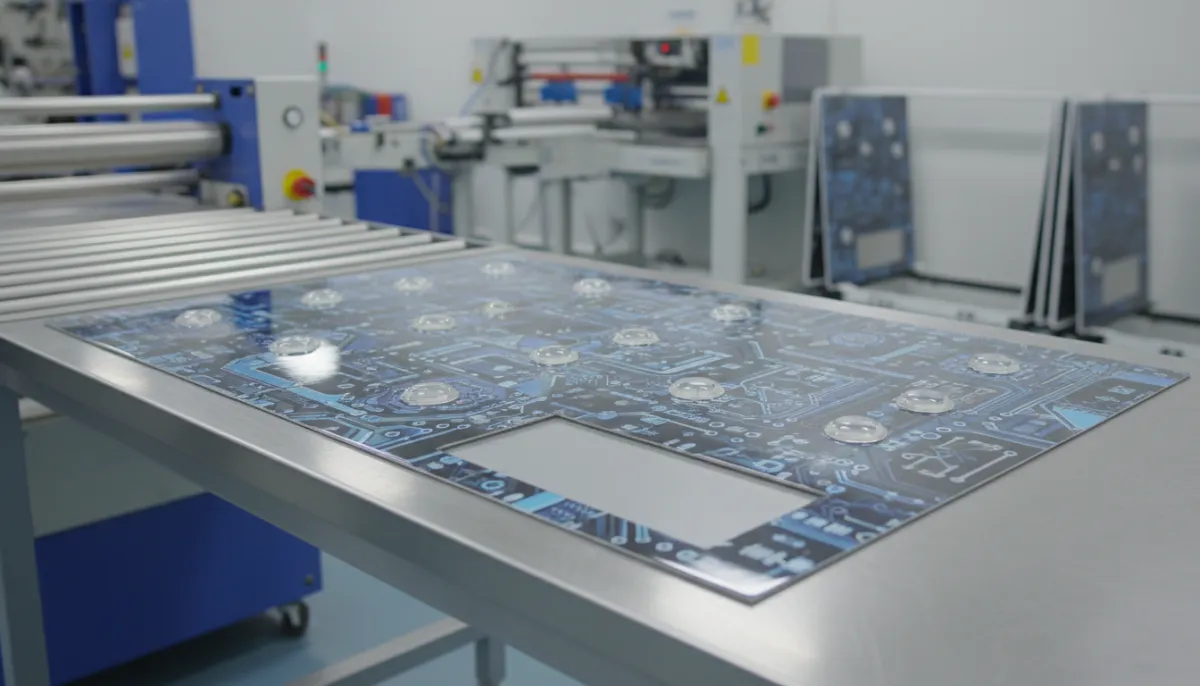
Flexible sensors are typically produced using printing technology. For instance, hybrid sensors created by combining piezoresistive and capacitive sensors can detect both proximity and pressure at the same time. These sensors are constructed using layered printing films, enhancing their functionality.
Usage Scenarios:- Wearable Devices: Suitable for health monitoring and fitness activities.
- Automotive Industry: Can enhance user interaction within vehicle interiors.
- Smart Buildings: Various sensors can be integrated to promote energy efficiency and comfort.
Flexible sensor technologies have advanced significantly in recent years. Research has been conducted to overcome the limitations of traditional sensors, leading to numerous innovative solutions. For example, a study by IDTechEx has identified the five most innovative flexible sensor technologies of the 2020s.
Pros and Cons:- Advantages:
- Their lightweight and flexible nature allows for use in various applications.
- They can provide cost-effective solutions by reducing production expenses.
- Disadvantages:
- They may have lower durability compared to traditional sensors.
- Performance can degrade under high temperatures or other harsh environmental conditions.
- 1. How are flexible sensors produced?
Flexible sensors are typically manufactured using specialized printing techniques that involve layering various components.
- 2. In which fields are these sensors utilized?
They can be found in wearable technologies, automotive applications, industrial automation, and smart buildings.
- 3. What are the disadvantages of flexible sensors?
They may have lower durability compared to traditional sensors and can be sensitive to certain environmental conditions.
In conclusion, printing and flexible sensor technologies are crucial components of future innovations. The advantages they offer have the potential to revolutionize numerous industries, despite some inherent limitations that must be considered.