
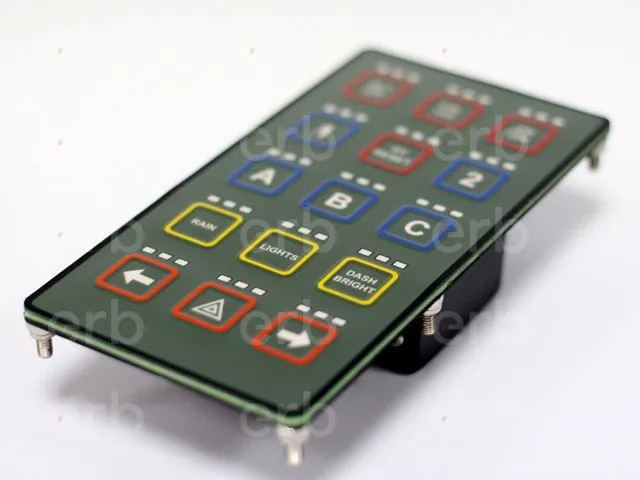
Explore innovative strategies for optimizing membrane switches, focusing on achieving ultra-thin designs for modern electronics.
Understanding Membrane Switch Optimization
In today's electronics landscape, achieving minimal thickness is vital. As industries evolve, the need for lightweight, integrated user interfaces in everything from portable medical devices to stylish home gadgets has surged. Membrane switches, known for their sleek aesthetics, are increasingly being refined to achieve ultra-thin profiles. But how do we achieve such precision in components that are already measured in millimeters?
Experts in membrane switch design recognize that reaching an ultra-slim profile requires more than a single tweak. It necessitates a comprehensive approach that harmonizes materials science, circuit design, and component choices.
Here, we explore key strategies to effectively reduce the thickness of membrane switches:
- 1. Utilize Lexan Labels
Much of a switch's thickness originates from its foundational layers, presenting an opportunity for significant reduction. Opting for thin film PET can yield impressive results. ERB Electronic now supplies robust, printable PET films as thin as 0.002 inches (50 microns) and, in some cases, even down to 0.001 inches (25 microns). This strategic shift can lead to a thickness reduction of 20-30%. While polycarbonate is durable, it generally doesn't come in such ultra-thin versions, making PET the superior choice for achieving slimmer designs. - 2. Optimize Adhesive Usage
The assembly of a membrane switch involves several layers of pressure-sensitive adhesive (PSA), each serving distinct purposes from the overlay to the backing layer. Thinner adhesive options can drastically cut down the overall thickness. For example, employing a lighter pressure-sensitive adhesive can substantially decrease the switch’s overall profile.
Mechanics Behind Membrane Switches
Membrane switches are typically composed of several layers: graphic overlay, adhesive layers, circuit layer, and back mounting layer. Streamlining the design of these layers is crucial for optimal thinness. Thinner user interfaces not only enhance aesthetics but also improve functionality.
- Applications:
- **Portable Medical Devices:** Slim membrane switches offer lightweight solutions, enhancing usability.
- **Wearable Technology:** Merging style with functionality, these switches enable comfortable wear for consumers.
- **Industrial Controls:** Compact designs optimize workspace efficiency.
- Advantages:
- **Lightweight:** Reduced thickness contributes to the overall lighter weight of devices.
- **Aesthetic Appeal:** Creates a modern and sleek look.
- **Enhanced Functionality:** Enables more features within a limited space. - Disadvantages:
- **Durability Concerns:** Thinner designs may compromise structural integrity.
- **Manufacturing Challenges:** Creating ultra-thin components often involves sophisticated engineering techniques.
- What drives the need for thinner membrane switches?
Thinner membrane switches are crucial for aligning with the aesthetic and functional expectations of contemporary devices. - How robust are ultra-slim membrane switches?
Durability is contingent upon material selection and design; with appropriate choices, resilience can be significantly enhanced. - Which materials are optimal for membrane switches?
Thin film PET consistently delivers the best outcomes for membrane switch performance.
The quest for thinner membrane switches is not just a trend but a necessity in the evolving world of electronics. Embracing innovative strategies ensures that manufacturers can meet the growing demands of modern technology.