
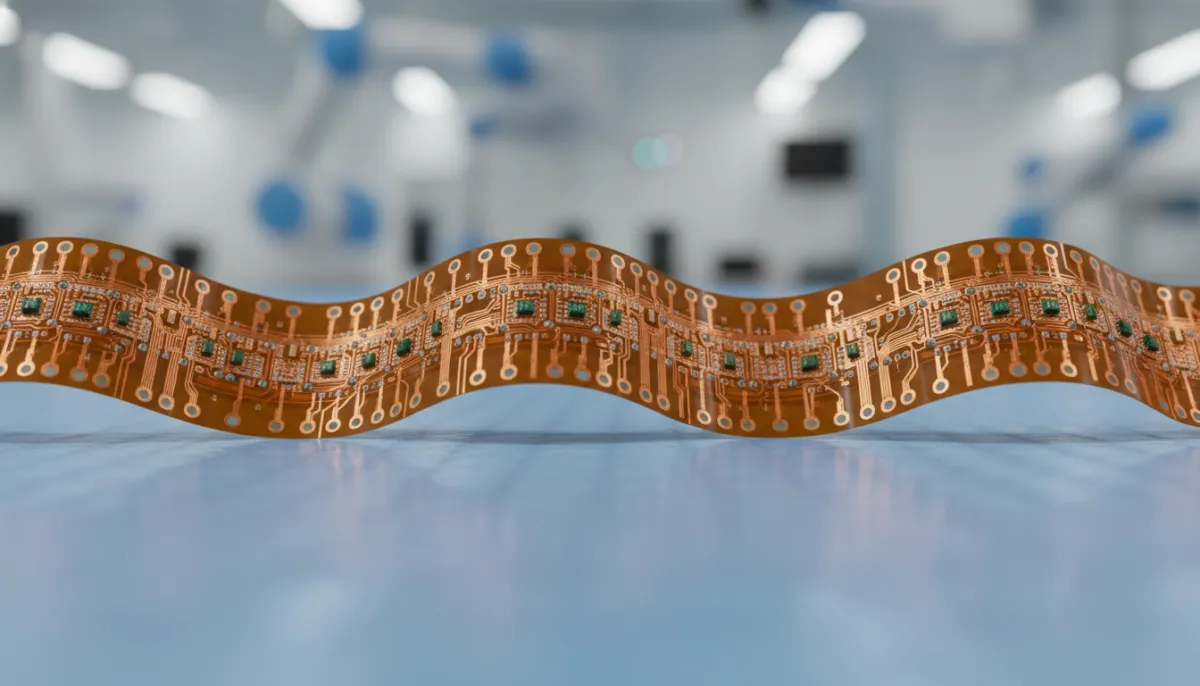
Explore the innovative applications of flexible sensors in technology, from wearables to robotics, and their impact on modern living.
Understanding Flexible Sensors and Their Applications
Flexible sensors are a cornerstone of contemporary smart living. These advanced devices play a pivotal role across various fields, from smartphones and wearable gadgets to electric vehicles and smart home systems. Pressure sensors, in particular, are essential for monitoring touch and force. For instance, pressure sensors are embedded throughout smartphone screens.Pressure detection is becoming increasingly significant in the realm of intelligence. However, the accuracy of conventional pressure sensors tends to diminish quickly when objects are compressed, bent, or deformed. This limitation significantly restricts their applications.This long-standing challenge faced by scientists and product designers has recently seen promising advancements. Flexible pressure sensors created from nanofibers and sprayed silicone maintain high accuracy even when bent or deformed. This breakthrough has profoundly influenced the design concepts of smart devices.Flexible pressure sensors are electronic devices used to detect forces on the surface of various irregular objects and can be adhered to different surfaces. They hold vast potential for applications in wearable technology, robotics, and health monitoring.The Operating Principle of Flexible Sensors
The primary principle behind flexible sensors is the detection of pressure applied to a surface. Typically made from nanofiber structures and specialized silicone materials, these sensors offer both flexibility and durability while enabling precise measurements.- Nanofiber Structures: As the core component of flexible sensors, nanofibers can effectively detect pressure changes due to their high surface area.
- Silicone Materials: Sprayed silicone enhances the flexibility of the sensors and provides resistance to deformation.
- High Sensitivity: These sensors maintain their accuracy even after bending or deformation, offering a broader range of applications compared to traditional pressure sensors.
- Wearable Technology: Used in smartwatches, health monitoring devices, and fitness trackers.
- Robotics: Enables robots to perceive and respond to their environment.
- Smart Home Systems: Can be used in home automation and security systems to detect door and window openings.
- Medical Applications: Can be integrated into patient monitoring systems to track body temperature and other health parameters.
- Advantages:
- High flexibility and durability.
- Diverse range of applications.
- Exceptional precision and accuracy.
- Disadvantages:
- Production costs can be high.
- There may be uncertainties regarding long-term durability.