
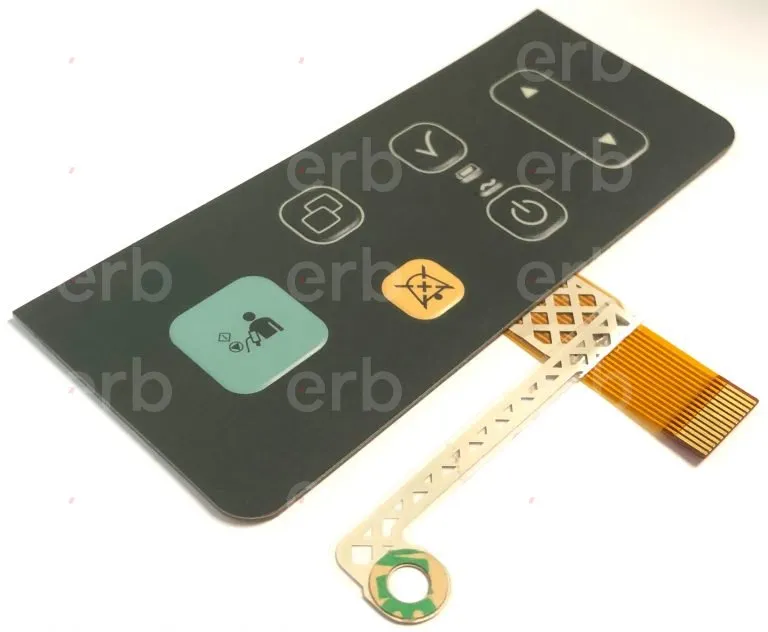
Discover key factors affecting the cost of membrane switches, including design, layers, and production volume, impacting various applications.
Key Factors Influencing the Cost of Membrane Switches
Membrane switches are a crucial element in today’s electronic devices. The expenses associated with these switches can vary significantly due to a variety of influences. Here are the top three factors that determine the cost of membrane switches.
1. Circuit DesignThe most expensive layer in a membrane switch is the printed circuit. Choices regarding materials and circuit design, such as trace quantity, can greatly affect the unit price. High-quality membrane switches often employ conductive silver inks, which provide the best conductivity. Depending on application and budget constraints, inks with lower conductivity, like carbon, copper, and various alloys, may also be used.
2. Number of Layers and Optional FeaturesThe number of layers in a membrane switch is another critical factor impacting production costs. More layers indicate a more complex design, leading to increased expenses. Furthermore, optional features like backlighting, tactile feedback, and waterproofing can further elevate the overall cost.
3. Production VolumeThe quantity produced directly influences the unit cost. Larger production runs can lower costs, while smaller batches may result in higher per-unit prices. Therefore, it is vital to determine the appropriate production volume at the project’s inception.
Applications of Membrane Switches
Membrane switches are utilized across various sectors. Here are some examples demonstrating their functionality:
- Medical Devices: They provide a safe and hygienic interface in medical equipment.
- Home Appliances: These switches are frequently used to enable easy interaction in modern household devices.
- Automotive: In vehicle control systems, membrane switches offer both aesthetic and functional solutions.
Here are the advantages and disadvantages of membrane switches:
Advantages:- They offer design flexibility due to their lightweight and thin structure.
- Water and dust resistance features enhance durability.
- Custom design options can improve user interface aesthetics.
- Using high-quality materials can drive up costs.
- Long-term use may lead to wear and tear issues.
- Special design requirements can complicate the production process.
- How durable are membrane switches? Their durability varies based on design and materials used. When made with high-quality components, they can be long-lasting.
- Are membrane switches waterproof? Yes, membrane switches can be designed to be waterproof when properly constructed.
- In what areas are membrane switches used? They are employed in a wide range of applications, from medical devices to home appliances, automotive to industrial uses.
Membrane switches are typically designed as multilayer structures that respond to user touch or pressure. Modern technology integrates aesthetics and functionality in these switches. Conductive inks and specialized lamination techniques enhance the conductivity and durability of membrane switches, making them an indispensable component in contemporary technology.