
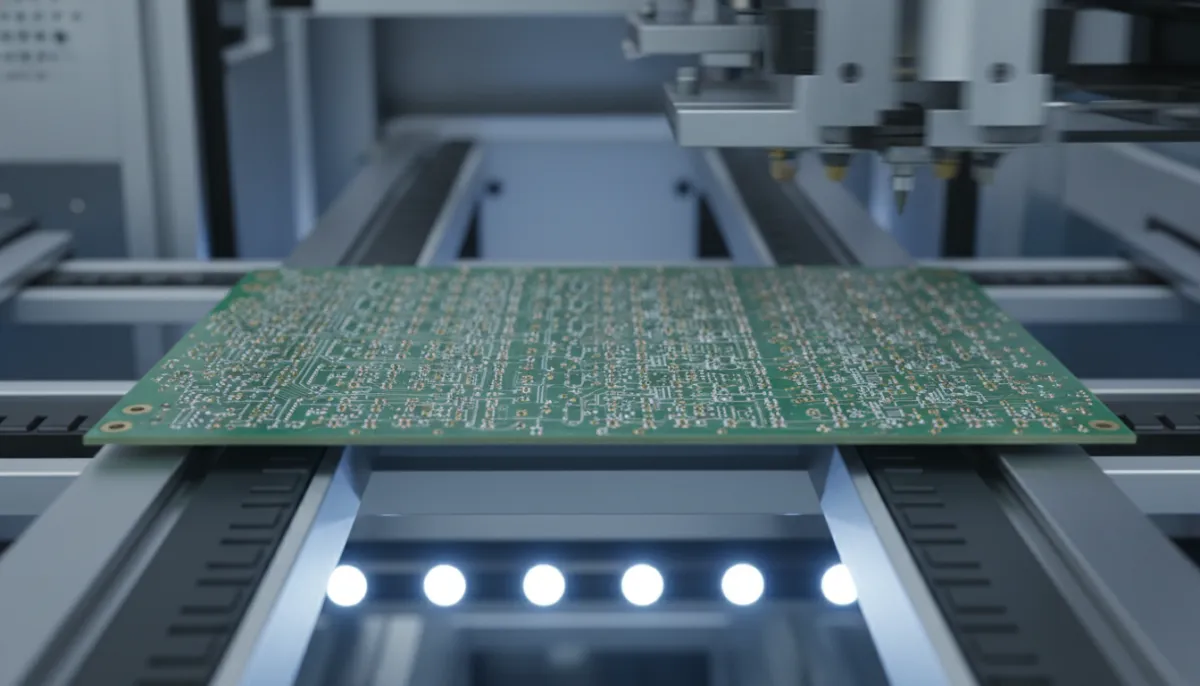
Explore PCB etching techniques, including solutions, process conditions, and safety measures for effective circuit board manufacturing.
Understanding PCB Etching and Solutions
As the electronics market experiences explosive growth, innovations in miniaturization, precision, and ultra-thin circuit printing technologies have surged. In response to the heightened demand for ultra-thin circuit technology, traditional etching methods are increasingly being replaced by advanced vacuum etching techniques.1. What is PCB Etching?
PCB etching involves the removal of excess copper conductors from the surface of a copper-clad board using a chemical solution, allowing for the remaining copper to form circuit patterns. This removal process is a cornerstone of modern printed circuit board manufacturing techniques.
2. Etching Solutions and Process Conditions
Today’s etching solutions typically consist of acidic copper chloride with hydrochloric acid or alkaline copper chloride mixed with ammonia. These solutions are crucial for effective etching.
Controlling process conditions such as temperature, pressure, time, and solution concentration is essential to ensure optimal etching results.
How Does It Work?
The PCB etching process is a vital step in circuit board production. It begins with the application of a film to the circuit schematic, followed by immersion in the etching solution. The etching solution targets unwanted copper areas for removal, which is essential for the circuits to function correctly.
Advantages and Disadvantages
- Advantages:
- High Precision: The etching method enables the production of intricate circuit designs with remarkable accuracy.
- Cost-Effective: This approach reduces material waste compared to traditional methods, helping to lower costs.
- Rapid Production: Automated etching processes can significantly increase production speed.
- Disadvantages:
- Chemical Hazards: Etching solutions can contain harmful chemicals that pose serious health risks, necessitating careful handling.
- Environmental Impact: Waste generated during the etching process can be harmful to the environment if not managed properly.
1. How long does the PCB etching process take?
The duration of the PCB etching process can range from a few minutes to several hours, depending on the methods and conditions used.
2. How are etching solutions prepared?
Etching solutions are typically created by mixing specific ratios of water and chemical components. These processes must be executed with care for safety and effectiveness.
3. What safety measures should be observed?
When working with chemicals, it is critical to wear appropriate protective clothing, gloves, and goggles. Additionally, working in well-ventilated areas is important.