
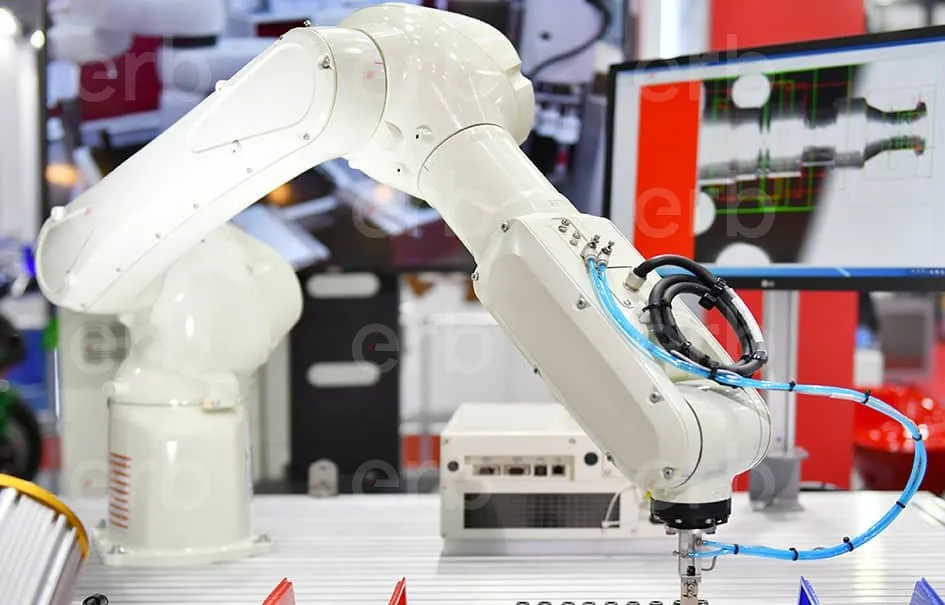
Explore the core functions and classifications of robot control systems essential for modern automation.
Core Functions of Robot Control Systems
The robot control system is essential for receiving sensory signals and managing the motors of manipulators according to operational demands. Just as human activities rely on our senses, the movement control of robots cannot operate independently of sensors.
Classification of Robot Control Systems
Robot control systems typically fall into two primary categories:
- Centralized Control System
- Distributed Control System
Each of these systems boasts unique benefits and drawbacks.
1. Centralized Control SystemThis system utilizes a single computer to carry out all control functions. While its structure is straightforward and cost-effective, it struggles with real-time performance and scalability. This setup was commonly used in early robot designs.
Advantages:- Lower hardware costs.
- Ease of data collection and analysis.
- Simplified optimal control of the system.
- Enhanced integrity and coordination.
- Easier hardware expansion for PC-based systems.
- Lack of flexibility in system control.
- A wide range of potential errors with serious consequences.
- Performance degradation due to high real-time requirements.
- Complex wiring within the system.
This system describes a framework where multiple control units communicate and operate collaboratively. This allows each control unit to be optimized for specific tasks, improving the overall performance of the system.
Advantages:- High flexibility and scalability.
- Resilience against failures.
- More effective management of real-time tasks.
- Higher costs and a more complex structure.
- Communication errors can impact overall system performance.
- Challenges with data synchronization.
Robot control systems are implemented across various industrial applications:
- Production Line Robots: Centralized control systems may be preferred for tasks such as material handling, assembly, and quality control.
- Autonomous Vehicles: Distributed control systems enhance the effectiveness of autonomous vehicles through the collaboration of multiple sensors and control units.
- Medical Robots: Surgical robots typically employ distributed control systems due to their need for precise control and real-time responses.
- What is a robot control system?
A robot control system comprises the software and hardware components that manage a robot's movements and functions. - What distinguishes a centralized control system from a distributed control system?
The centralized control system manages all control functions through a single computer, whereas the distributed control system offers a more flexible and scalable structure using multiple control units. - Where are robot control systems utilized?
They are widely used in industrial manufacturing, the automotive sector, medical applications, and autonomous vehicles.
Robot control systems serve as the foundation of modern industrial automation. Each system presents its own set of advantages and disadvantages, making the choice of the right system crucial based on the application scenario. In the coming years, advancements in these technologies are expected to lead to the emergence of even smarter systems.