
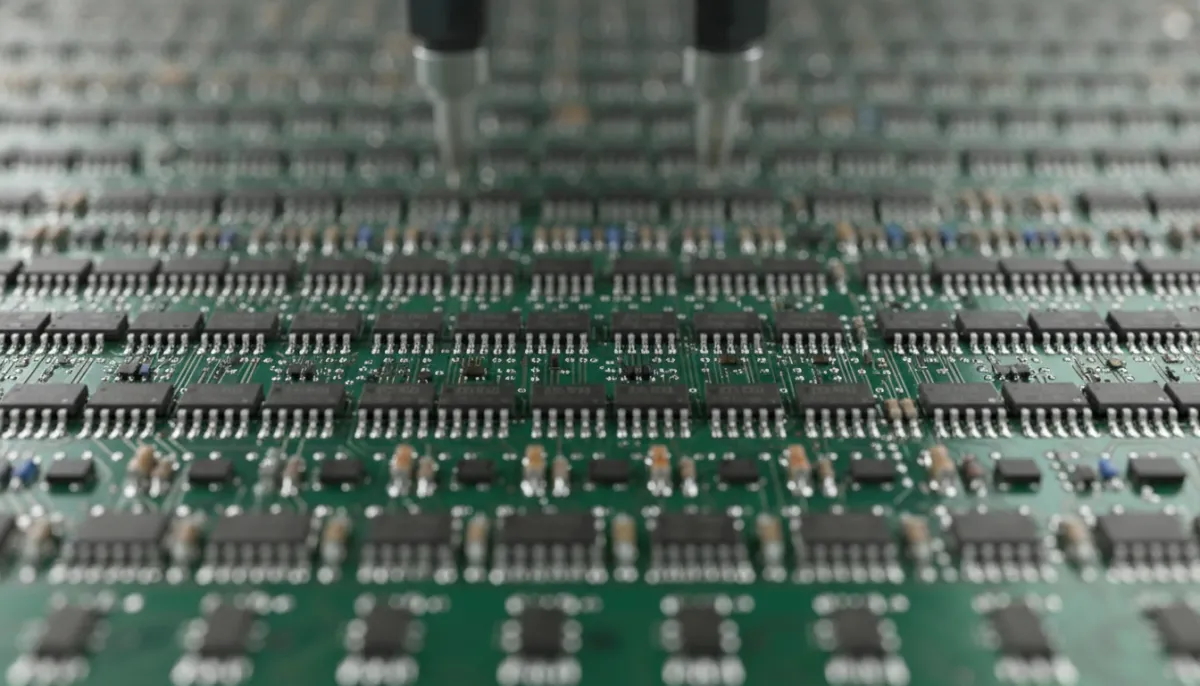
Explore how contaminants infiltrate electronic systems and learn the importance of maintaining a clean environment for optimal device performance.
The Entry of Contaminants into Electronic Systems
Electronic devices are like meticulous neighbors, intolerant of humidity and sensitive to pollutants within certain ranges. The International Electrotechnical Commission (IEC) has established a protection class system (Ingress Protection, IP) to ensure electronic devices are resistant to moisture and contaminants. In this article, we will explore why electronic devices require a clean operating environment and how pollutants infiltrate these systems.
Ways Pollutants Penetrate Electronic Systems
When contaminants breach the enclosures or packaging of electronic devices, it can lead to damage and a reduced lifespan. Here are some types of damage that can occur:
- Excessive dust accumulation in sockets, interfaces, and circuit boards may lead to poor contact issues.
- Dust can cause wear on components and diminish performance.
- Moisture entering closed spaces can lead to corrosion and electrical failures.
- Contaminants can cause short circuits within a device's internal components.
Thus, maintaining a clean environment for electronic devices is crucial.
Pollutants typically enter electronic systems in the following ways:
- Airflow: Airflow can facilitate the entry of pollutants. Especially, fans and ventilation openings can create pathways for contaminants to infiltrate the system.
- Improper Installation: Incorrect installation of devices can compromise their sealing capabilities, making it easier for pollutants to enter.
- Aged or Damaged Components: Old or damaged components fail to provide adequate protection against contaminants, allowing them to reach the interior of devices.
These scenarios illustrate some of the pathways through which pollutants can invade electronic systems.
How Does It Work?
To prevent damage caused by contaminants, electronic devices must be designed and manufactured according to specific standards. The IP classifications established by the IEC determine the durability of devices against external factors. For example:
- IP65: Offers complete dust protection and safeguards against low-pressure water jets.
- IP67: Provides total protection against dust and can withstand immersion in water up to 1 meter deep for 30 minutes.
These classifications help users understand the robustness of their devices. The higher the IP rating, the greater the protection against contaminants and moisture.
Pros and Cons
Advantages:
- Extended Lifespan: Preventing the ingress of contaminants prolongs the life of electronic devices.
- Reliability: The reliability of devices increases, reducing the likelihood of malfunctions.
- Performance: Devices operating in clean environments exhibit better performance.
Disadvantages:
- Cost: Devices with high IP ratings are typically more expensive.
- Weight: Additional protective measures may increase the weight of the device.
- Airflow: A high protection rating may sometimes affect the cooling performance of the device.
Frequently Asked Questions (FAQs)
- What is the best IP rating for protection against contaminants? IP67 or IP68 provides maximum protection against water and dust.
- How do contaminants damage electronic devices? Contaminants can cause wear on components, corrosion, and short circuits.
- How can I find out a device's IP rating? You can check the technical specifications of the device.