
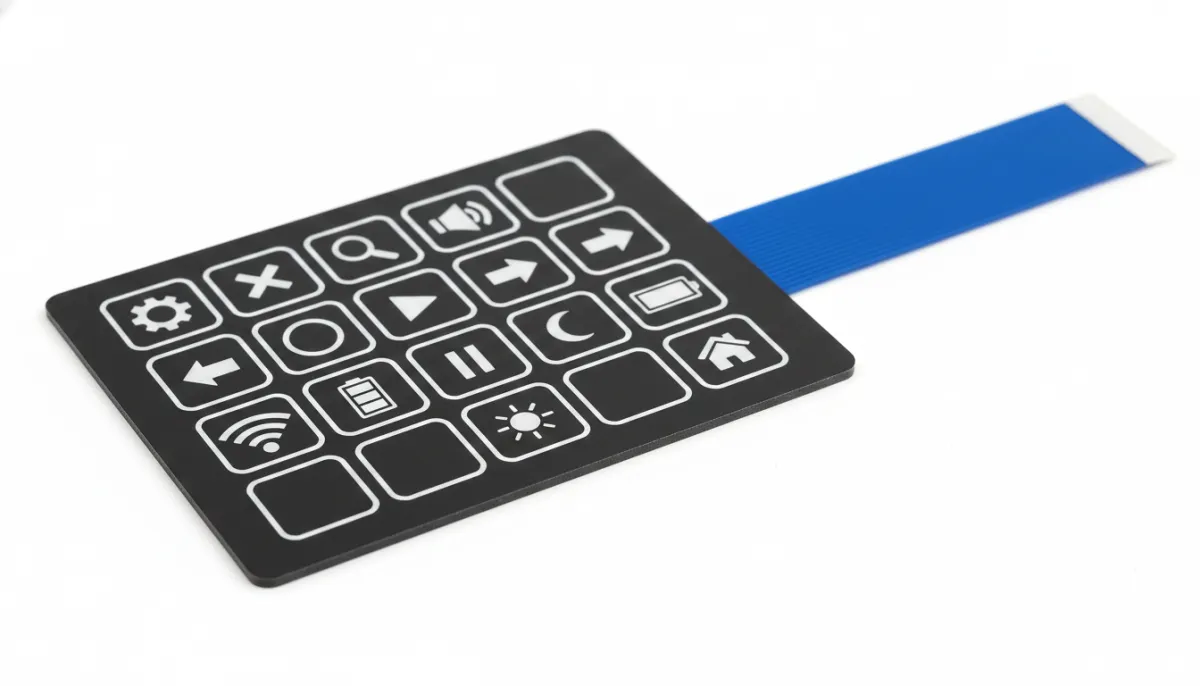
Explore the intricate color matching process in membrane switches and graphic overlays, crucial for user experience in electronic devices.
The Art of Color Matching in Membrane Switches and Graphic Overlays
Membrane switches and graphic overlays are vital components in today’s electronic devices. This article delves into the intricate process of matching colors between these two elements.Technical Insights:
- Membrane Switches: These are flexible surfaces designed primarily for simple button functionalities, interacting with electronic circuits to send commands.
- Graphic Overlays: This aesthetic and functional layer covers membrane switches, often incorporating graphic design elements to enhance user experience.
- Manual Color Matching: Utilizing traditional methods, different ink combinations are blended to achieve a specific color. This process demands experience and expertise.
- Computerized Color Matching: Software tools calculate ink formulas based on reference colors, leading to more accurate and consistent results.
- When a client requests a specific color, existing color samples or standard color charts are reviewed first.
- Data is gathered from previously used or available printing materials to determine suitable color formulas.
- Ink series are identified, and the appropriate formula is filtered and selected.
Pros:
- Computerized color matching offers higher accuracy rates.
- Technological advancements speed up the color matching process.
- There is a reduced margin for error compared to manual methods.
- The initial cost of computerized systems can be high.
- Any technical glitches can adversely affect the process.
- Manual matching requires experienced personnel and can be time-consuming.
- What are the most common errors in the color matching process? Common mistakes include incorrect selection of color samples, faulty ink mixing, and neglecting lighting conditions.
- How do computerized color matching software tools work? These programs rely on color theory and pigment mixing, utilizing reference color data from users to identify the optimal ink formula.
- What types of inks are used in the color matching process? Typically, water-based, solvent-based, and UV inks are preferred, with different types chosen based on their application.
Membrane switches and graphic overlays are extensively used in both industrial and consumer electronics. These technologies are designed to enhance user interaction and provide an aesthetically pleasing appearance. Applications include home appliances, automotive controls, and medical devices. The color matching process plays a critical role in marketing and user experience for these products. Proper color matching not only makes products more visually appealing but also contributes to an aesthetically satisfying user experience. Color is a significant factor influencing users' relationships with products.