
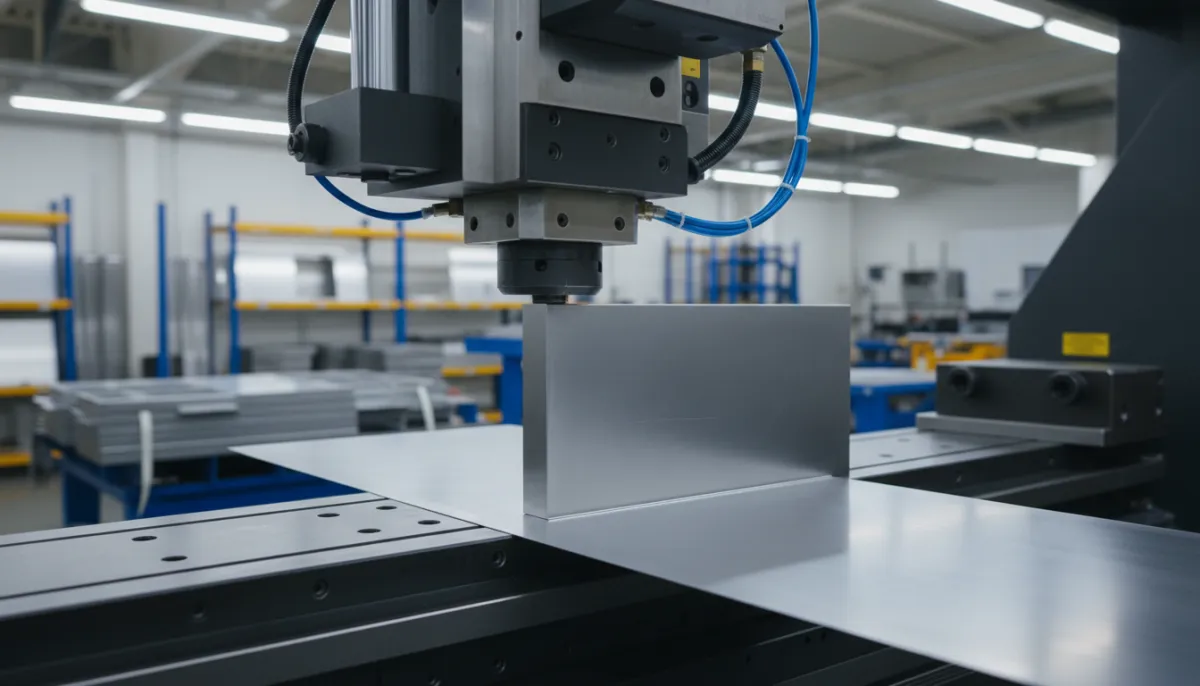
Explore the essential techniques and applications of sheet metal fabrication in various industries, from automotive to electronics.
What is Sheet Metal Fabrication?
Sheet metal fabrication involves the process of shaping and forming metal sheets into desired dimensions through manual techniques or press forming. This process can lead to more intricate components, such as chimneys, tin ovens, and vehicle bodies, which may undergo welding or further machining. All these components fall under the category of sheet metal parts.
Key processes involved in sheet metal fabrication include:
- Cutting
- Bending
- Forming
- Welding
- Riveting
To successfully carry out these processes, specific geometric knowledge is essential. Sheet metal parts are characterized by their uniform thickness throughout the fabrication. In a general sense, parts that maintain consistent thickness during processing can be distinguished from cast, forged, and machined components. For instance, the outer steel shell of a car or some kitchen utensils made from stainless steel are examples of sheet metal parts.
Applications of Sheet Metal Fabrication
This technique is widely utilized across various industries. Here are some notable applications:
- Automotive Industry: Sheet metal fabrication is crucial for producing components like car bodies, engine parts, and chassis.
- Construction: The use of sheet metal is common in construction projects for structural frames, roofing, and exterior cladding.
- Electronics: It is employed in the creation of casings and cooling systems for electronic devices.
- Household Items: The process is applied in manufacturing products such as kitchen utensils, toolboxes, and office furniture.
Sheet metal fabrication is favored in many sectors seeking both aesthetic appeal and functionality.
Pros and ConsThere are certain advantages and disadvantages associated with sheet metal fabrication:
Advantages:- Efficiency: It allows for the rapid production of large quantities of products.
- Cost-Effectiveness: This method reduces costs, particularly for large batch productions.
- Flexibility: It enables the production of parts in various shapes and sizes.
- Durability: Metal components are long-lasting and robust.
- High Initial Costs: Investments in molds and machinery can be substantial at the beginning.
- Labor Requirements: Skilled labor is necessary, which may increase overall costs.
- Environmental Impact: Metal fabrication processes can contribute to environmental pollution.
Sheet metal fabrication is the umbrella term for various techniques applied to alter the shape and size of metal sheets.
2. What are the most common techniques used in sheet metal fabrication?Common techniques include cutting, bending, forming, welding, and riveting.
3. In which sectors is sheet metal fabrication utilized?It is utilized in numerous sectors including automotive, construction, electronics, and household goods.
4. How sustainable is the sheet metal fabrication process?This process can be made sustainable through recycling and energy-saving methods to minimize environmental impacts.
5. What is required for sheet metal fabrication?Factors such as quality control, machinery investments, and skilled labor are essential.
Sheet metal fabrication is an indispensable component of industrial production processes. When the right techniques and processes are employed, it is possible to produce high-quality and durable metal parts.