
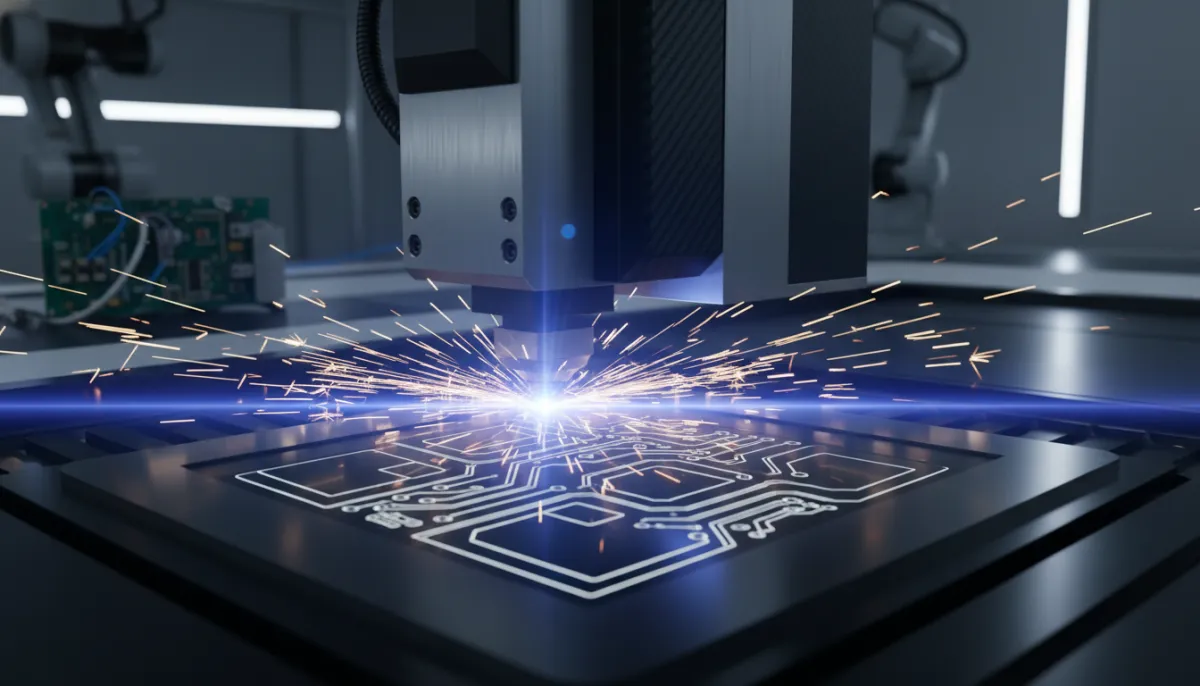
Discover the significance, development, and applications of laser cutting technology in sheet metal manufacturing.
The Significance of Laser Cutting Technology
Laser cutting technology stands out in sheet metal manufacturing due to its remarkable efficiency and precision. It offers numerous advantages over traditional processing methods. The widespread application of this technology, especially in sheet metal cutting, is attributed to its ability to handle a variety of materials and its flexible processing methods.
1. The Evolution of Laser Equipment
Laser cutting technology made its debut in modern industrial production during the 1970s. Initially, it was applied to materials like plastics and glass, but over time, it has carved out a significant niche in sheet metal processing. , founded in 1946, was the first equipment manufacturer to explore laser technology for sheet metal applications. In 1978, they began developing laser cutting machines in response to customer demands.
2. Advancements in Laser Cutting Technology
Over the years, laser cutting technology has progressed from CO2 lasers to fiber lasers. This evolution has sparked a significant revolution in the realm of industrial production.
How It Works
The laser cutting process employs high-energy laser light. When the laser focuses on the material to be cut, it generates extreme temperatures on the surface, causing the material to either vaporize or melt away. During this process, the laser light does not directly contact the material's surface, which results in minimal deformation and a cleaner cutting edge.
Application Scenarios:
- Automotive Industry: Laser cutting is used for producing complex geometries in parts manufacturing.
- Electronics: It is preferred for ensuring precision in cutting PCBs (Printed Circuit Boards).
- Architecture: Employed to create decorative metal elements that blend aesthetics with functionality.
Advantages and Disadvantages:
- Advantages:
- High Precision: Laser cutting provides millimeter-level accuracy.
- Flexibility: Suitable for various materials and thicknesses.
- Low Waste: Material loss during cutting is kept to a minimum.
- Disadvantages:
- High Costs: Laser cutting machines can have a significant initial investment.
- Material Limitations: Certain types of metals may not be suitable for laser cutting.
- How fast is the laser cutting process? Speed varies depending on the type and thickness of the material. However, it is generally faster than traditional methods.
- Which materials are suitable for laser cutting? Many materials, including metals, plastics, wood, and glass, can be processed using laser cutting.
- What safety measures should be taken? Safety glasses must be worn during the laser cutting process, and adequate ventilation should be ensured.
In conclusion, laser cutting technology represents a groundbreaking development in sheet metal manufacturing. Its high precision and flexibility make it a preferred choice across various industries. As technology progresses, it is anticipated that the costs of laser cutting machines will decrease, and their capacity to work with a broader range of materials will increase.