
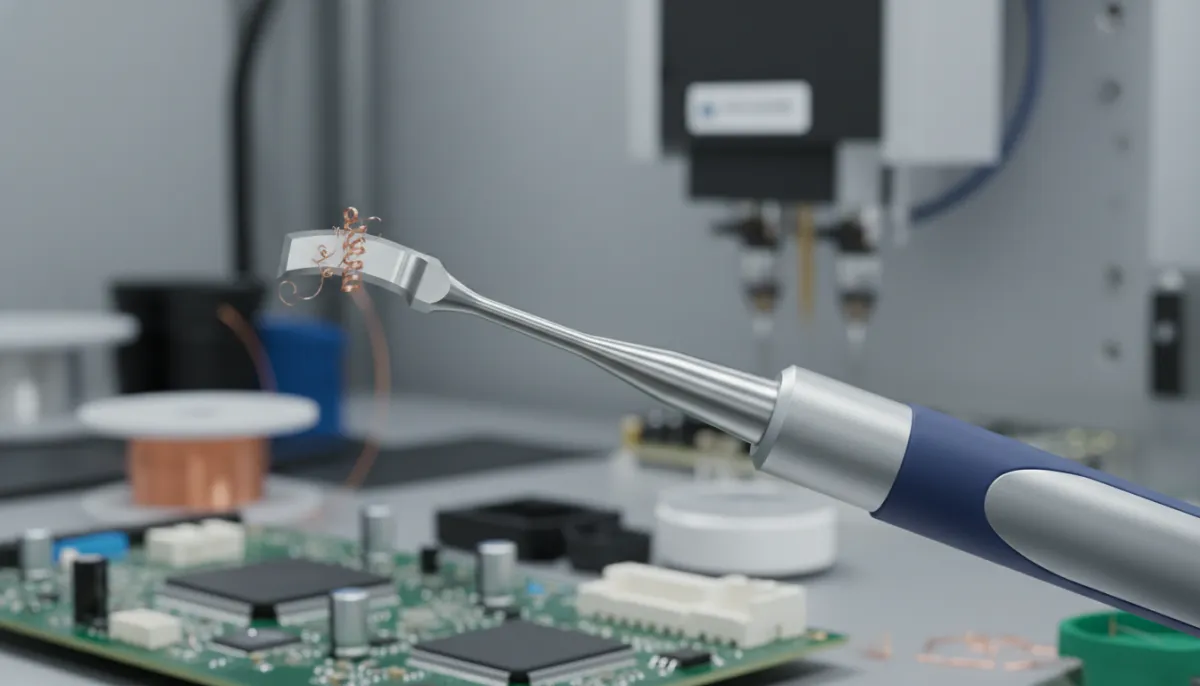
Explore the essential role of deburring in sheet metal manufacturing, improving safety and product quality.
The Critical Role of Deburring in Sheet Metal Manufacturing
Deburring is an essential step in the production of sheet metal. The burrs that form on metal parts pose safety risks and can significantly degrade product quality. In this article, we will explore why deburring is so crucial and how it functions within the manufacturing process.
Among the various sheet metal processing techniques are punching, laser cutting, and plasma cutting. These methods often lead to the formation of sharp edges and burrs during the cutting process. Specifically, plasma cutting tends to leave behind slag, which is a mixture of oxides and metal residues at the edges of the part. Cleaning these burrs after cutting is vital for both safety and product integrity.
Benefits of Deburring and Application Scenarios
1. Reduces Injury Risks
- Sharp edges and burrs can cause serious injuries to workers.
- Deburring enhances safety in the workplace and helps prevent loss of labor.
2. Enhances Product Quality
- Burrs can lead to complications during the assembly and processing of products.
- Deburring ensures that products are smoother and of higher quality.
3. Prolongs Equipment Lifespan
- Burrs contribute to wear on equipment, increasing maintenance costs.
- Deburring allows equipment to operate efficiently and extends its lifespan.
Here are a few scenarios illustrating the importance of deburring:
- In the production of automotive parts, deburring makes the assembly of cut pieces easier and safer.
- In the manufacturing of electronic components, deburring enhances the efficiency of the production process without compromising quality.
Pros:
- Improves workplace safety.
- Enhances product quality.
- Extends the lifespan of equipment.
- Reduces labor costs.
Cons:
- Deburring can incur additional costs.
- Improper application may lead to undesirable outcomes.
What methods are used for deburring?
Deburring can be performed using mechanical, chemical, or thermal methods. Mechanical techniques include sanding, brushing, and milling.
How long does the deburring process take?
The duration of deburring varies based on the size of the part, the density of burrs, and the method used. It can typically range from a few seconds to several minutes.
In which industries is deburring utilized?
Deburring is widely used in industries such as automotive, aerospace, electronics, and metalworking.
What are the costs associated with deburring?
The costs of deburring depend on the equipment used, labor, and processing time. However, considering the long-term benefits, it often proves to be a worthwhile investment.
Deburring is a vital process in sheet metal manufacturing. It not only boosts workplace safety but also significantly enhances product quality. Businesses must prioritize this critical step and optimize their processes accordingly.