
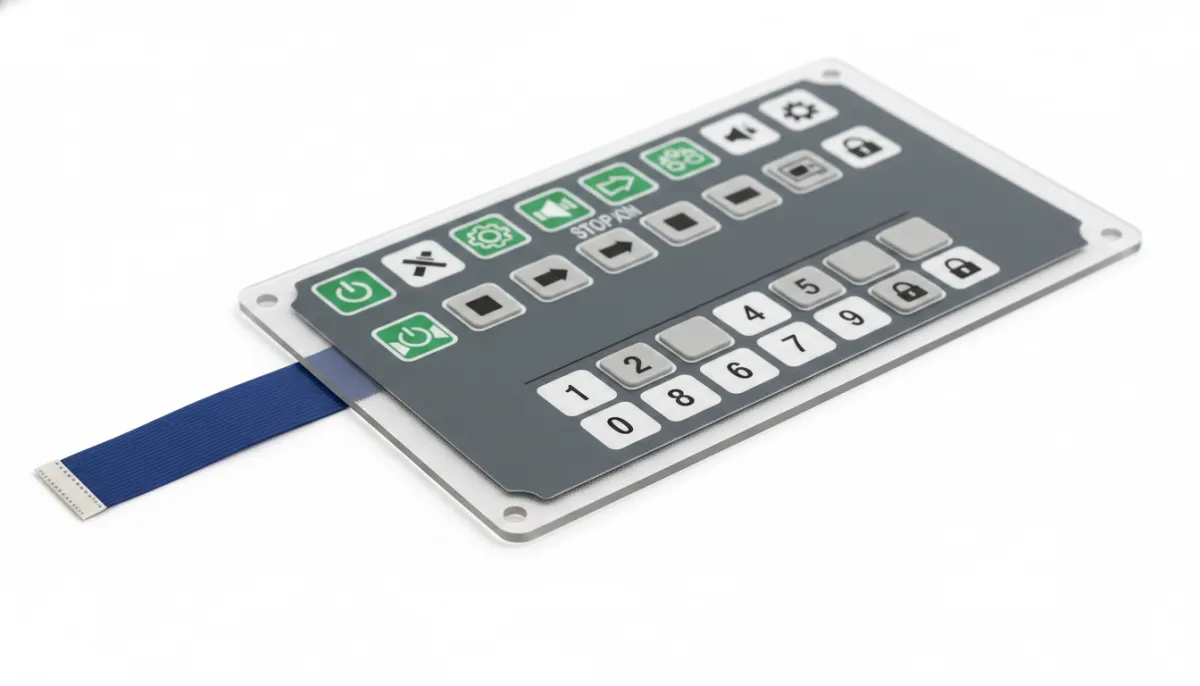
Discover how plastic address labels are integrated with membrane switches, enhancing functionality and aesthetics in modern industry.
The Essential Connection Between Plastic Address Labels and Membrane Switches
Plastic address labels have become crucial elements in today’s industrial landscape. While prior to the 1970s, most address labels were crafted from metal, contemporary usage sees plastic labels extensively employed across various sectors, including household appliances, instruments, measuring devices, and office supplies. These labels not only enhance brand identity and functional display but also contribute to the overall aesthetic of a product.
With the continual introduction of new materials and methods, the surface quality of plastic address labels has seen significant advancements. These labels are the result of a synergy between three major technologies: pressure-sensitive adhesive surface processing, molding, and screen printing.
How Do They Function?
The production of plastic address labels typically employs the injection molding technique. This process utilizes high-quality engineering plastics (such as ABS and PC). The manufacturing steps include:
- Material Selection: Plastic address labels are predominantly made from engineering plastics like ABS or PC.
- Injection Molding: The chosen plastic materials are injected into pre-designed molds.
- Smooth Surface Processing: After production, the labels undergo various treatments to achieve a decorative finish, including spraying, plastic electroplating, or hot stamping.
- Screen Printing: Screen printing is applied to add text or graphics to the labels.
These stages enhance the quality of the production process and the aesthetic appeal of the final product.
Pros and ConsAdvantages:
- Lightweight: Compared to metals, plastic materials are lighter, making them easier to handle and install.
- Durability: Plastic address labels can be resistant to water, chemicals, and UV rays, ensuring long-lasting use.
- Aesthetic Appeal: With various surface treatments, they offer a visually attractive and modern look.
Disadvantages:
- Heat Resistance: Some types of plastic may not withstand high temperatures, which can pose challenges in certain applications.
- Environmental Impact: The recyclability of plastic materials is generally lower than that of metals.
- Scratch Sensitivity: Plastic might not be as tough as metal, leading to potential scratching on the surface.
- How durable are plastic address labels? Plastic address labels can withstand water, chemicals, and UV rays, but their heat resistance depends on the material used.
- Which types of plastic are recommended? Engineering plastics like ABS and PC are preferred due to their durability and potential for aesthetic surface treatments.
- What is the relationship between membrane switches and plastic address labels? Membrane switches are often used alongside plastic address labels to enhance the functionality of devices.
- How are plastic address labels produced? The production process involves material selection, injection molding, surface processing, and screen printing.
- What is the cost of plastic address labels? The cost varies based on the materials used, the production process, and surface treatments applied.
The history of plastic address labels and membrane switches is closely tied to industrial advancements, leading to their widespread use in various applications.