
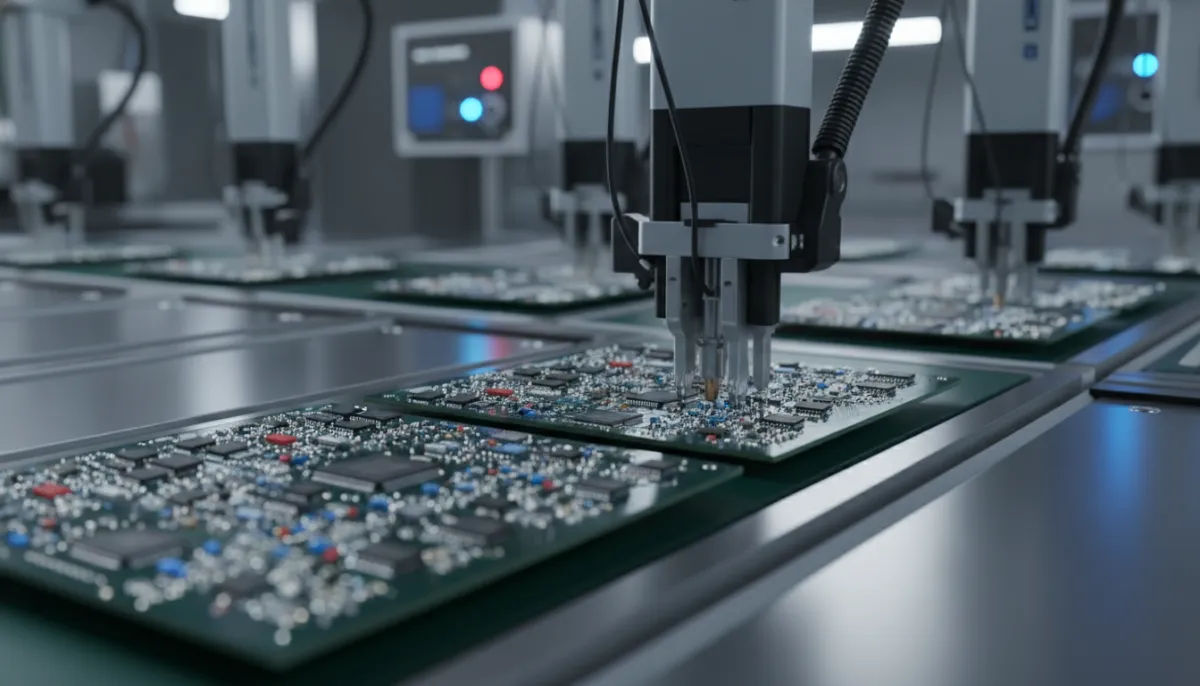
Explore the transformation of industrial product design, its categories, benefits, drawbacks, and FAQs in this insightful article.
The Transformation of Industrial Product Design
Industrial product design has undergone significant changes since the Industrial Revolution. This article explores the evolution of industrial product design, including its background, technical explanations, use cases, benefits, drawbacks, and frequently asked questions.
Background of Industrial Design:
The Industrial Revolution triggered fundamental shifts in design thinking. Initially, design was centered around art and aesthetics, but over time, technology and functionality took precedence. Industrial design is concerned not only with a product's appearance but also with its usability and efficiency.
Five Fundamental Categories of Design
Concepts of industrial design can be classified into five main categories:
- Art-Centric Design: This design approach, rooted in the 19th century, emphasizes aesthetic and artistic elements.
- Design for Machines and Technology: This perspective views individuals as integral parts of a machine system, aiming to enhance machine efficiency. It is based on concepts like scientific determinism and technological determinism.
- Design Ideas that Promote Consumption: Also known as popular style design, this approach seeks to continuously engage consumers with new trends.
- Human-Centered Design: This prioritizes the needs and expectations of users, where ergonomics play a crucial role.
- Sustainable Design: This focuses on the use of eco-friendly materials and production processes.
How Does It Work?
Industrial product design emerges from the collaboration of various disciplines. Designers, engineers, and marketing professionals work together to enhance user experience. For example:
- When designing a household appliance, engineers ensure its functionality while designers consider aesthetic elements.
- Marketing teams guide the design process by analyzing consumer behavior.
Pros and Cons:
Advantages:
- A well-designed product enhances market competitiveness.
- Improves user experience, leading to increased customer satisfaction.
- Ergonomic design allows users to utilize products more efficiently.
Disadvantages:
- Overemphasis on design can escalate costs.
- The rapid pace of technological change may render designs obsolete.
- A lack of understanding of user needs can lead to product failure.
Frequently Asked Questions (FAQ):
- What is industrial design? - Industrial design is the process of enhancing products in terms of aesthetics and functionality.
- What are the characteristics of good industrial design? - It should be user-friendly, aesthetically pleasing, functional, and sustainable.
- How long does the industrial design process take? - It can vary from a few weeks to several years, depending on the project and its complexity.
Conclusion: Industrial product design is a continually evolving field. Designers must meet user expectations in both aesthetics and functionality, which is a critical factor determining the success of not just products, but also brands.