
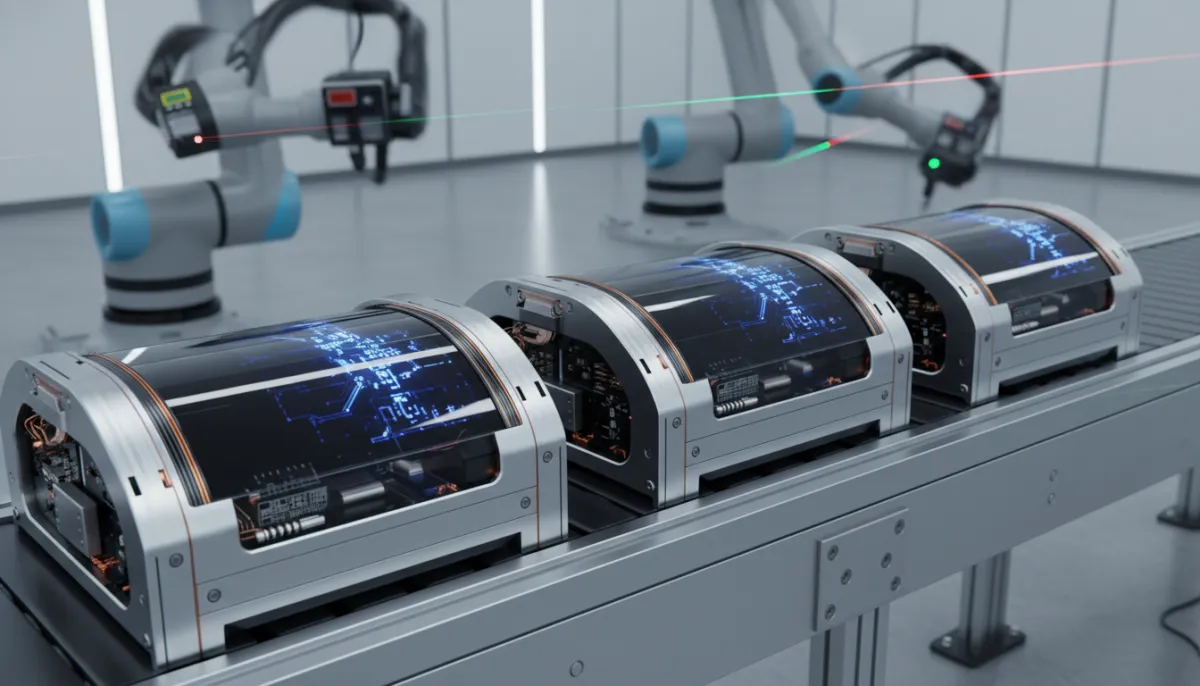
Explore In-Mold Electronics, a cutting-edge technology that integrates electronic components into three-dimensional surfaces for enhanced functionality and a...
What is In-Mold Electronics?
In-mold electronics (IME) represents a groundbreaking technology where electronic components are seamlessly integrated into decorative, three-dimensional surfaces. Moving beyond traditional methods, it minimizes the need for assembling rigid printed circuit boards (PCBs) on the back. IME offers solutions that are lighter and consume fewer materials, streamlining the supply chain and assembly process. This innovation has emerged in response to the growing demand for electronic integration in recent years.
IME can be viewed as an extension of in-mold decoration (IMD) technology. IMD involves printing on a film followed by an injection molding process. This technique transcends the limitations of flat surfaces, enriching the three-dimensional design and color expression of plastic components.
How IME Works
The operation of IME technology unfolds in several steps:
- Printing and Processing: Initially, conductive and dielectric inks are printed onto the film.
- Injection Molding: After printing, the film is heated and shaped during the molding process.
- Integrated Circuit Assembly: LEDs or integrated circuits can be added to the film.
- Multilayer Circuits: More complex circuits can be created using dielectric inks.
This process necessitates the use of materials capable of performing under high temperatures, pressures, and stresses. Therefore, developing compatible material combinations during production is crucial.
Advantages and DisadvantagesBenefits of IME:
- Enhanced Integration: Electronics occupy significantly less space.
- Weight and Material Savings: Up to 70% less material consumption compared to traditional mechanical switches.
- Simplified Supply Chain: Fewer components result in easier supply processes.
- High Aesthetic Appeal: Offers rich color expressions and three-dimensional designs.
Drawbacks of IME:
- High Production Costs: Initial investment costs can be substantial.
- Technical Challenges: Difficulties encountered during the integration of electronic functions.
- Low Error Tolerance: A single error can compromise the functionality of the entire component.
IME boasts a wide range of applications across various industries:
- Consumer Electronics: Enhances user experience in devices like smartphones and tablets.
- Automotive Industry: Provides aesthetics and functionality in control panels and touch surfaces.
- Home Appliances: Makes user interfaces in modern appliances more appealing.
- Medical Field: Can improve user interaction in medical devices.
How Does IME Work?
IME operates by integrating circuits into the molding process through printing on a film, conducted under high temperature and pressure.
What Are the Advantages of IME?
IME offers numerous benefits, including material savings, aesthetic design, and simplified supply chains.
Are There Disadvantages to IME?
Yes, high production costs and technical challenges are among the disadvantages.
In Which Fields Is IME Used?
IME can be utilized in various sectors, including consumer electronics, automotive, home appliances, and medical devices.
ConclusionIn-mold electronics have established a solid foothold as the technology of the future. This ever-evolving field is paving the way for lighter, more aesthetically pleasing, and functional products.