
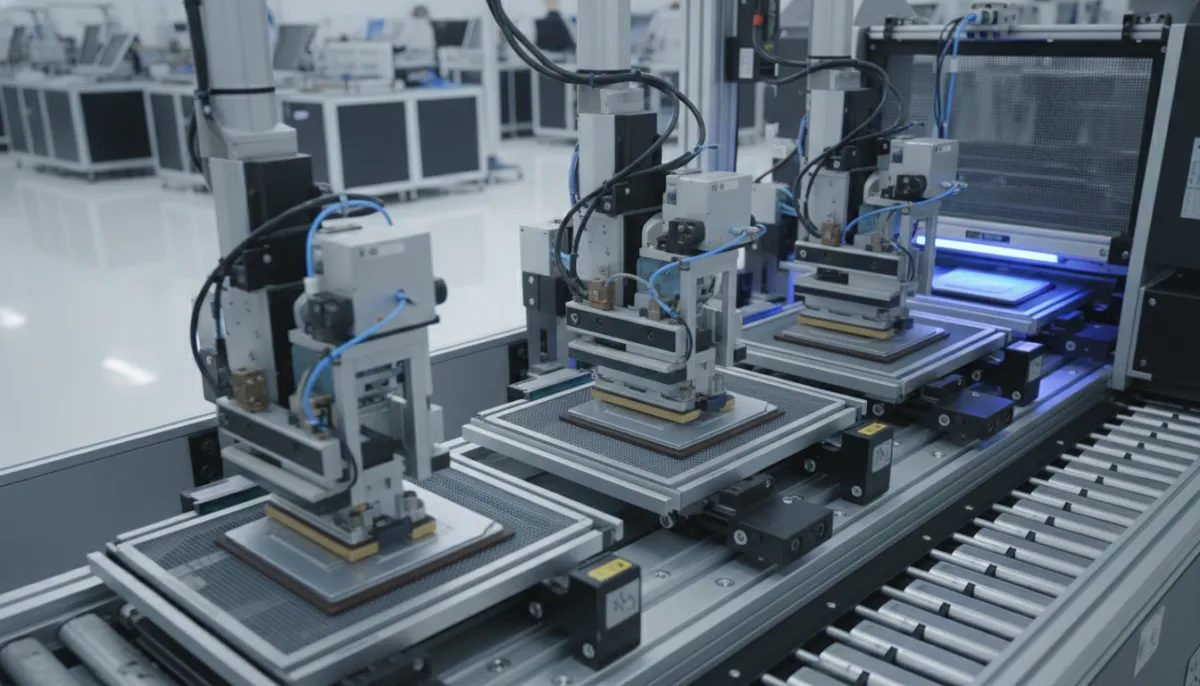
Explore how new screen printing technologies are reshaping production processes, offering efficiency, quality, and sustainability in various industries.
Innovative Screen Printing Technologies and Their Applications
Screen printing plays a crucial role in modern manufacturing processes. This technique is widely adopted across various industries, particularly in the production of Membrane Switch panels, PCBs, and sheet metal processing.Recent advancements in screen printing equipment have ushered in significant changes in this domain. Next-generation machines aim to integrate modern scientific and technological elements such as digital technology, networking, computing, and fiber optic transmission, enabling the creation of vibrant, high-speed, and fully automated printing solutions.
Operating Principles of Screen Printing EquipmentThe latest screen printing technologies not only enhance traditional methods but also introduce more efficient and eco-friendly practices. These machines promote faster printing speeds, higher levels of automation, and the use of sustainable materials. Below are some scenarios illustrating how these equipment operate:
Application Scenarios
- Membrane Switch Production: With new technologies, membrane switch panels can be produced more rapidly and accurately, offering a significant advantage particularly in user interfaces for electronic devices.
- PCB Manufacturing: Screen printing plays a vital role in the production of printed circuit boards. The latest equipment allows for the creation of intricate circuit designs at lower costs and with minimized waste.
- Custom Design Products: For industries with specialized printing needs, new generation equipment provides shorter lead times and more vibrant colors, creating a competitive edge.
The benefits and drawbacks of the new screen printing equipment are outlined below:
Advantages:- High Efficiency: Fully automated systems significantly reduce printing time.
- Cost Reduction: Lower material waste and reduced labor requirements lead to decreased expenses.
- Improved Quality: Offers higher precision and better color accuracy.
- High Initial Investment: The purchase cost of new equipment can be substantial.
- Need for Technical Knowledge: Users may need training to adapt to new technologies.
The new machines provide significant improvements in efficiency, cost savings, and print quality.
2. In which sectors can this equipment be utilized?They are applicable in various industries, including electronics, automotive, textiles, and packaging.
3. What are the drawbacks of fully automated printing machines?Initial costs can be high, and users may require training to adapt to new systems.
4. How will screen printing technology evolve in the future?With the rise of digital printing and automation, we can expect the development of more eco-friendly and efficient systems.
ConclusionIn conclusion, new screen printing equipment has the potential to enhance industrial production processes. Innovative technologies are helping to optimize workflows by offering faster and higher quality printing solutions. However, it is essential to consider the initial investment and the need for technical knowledge as potential challenges.