
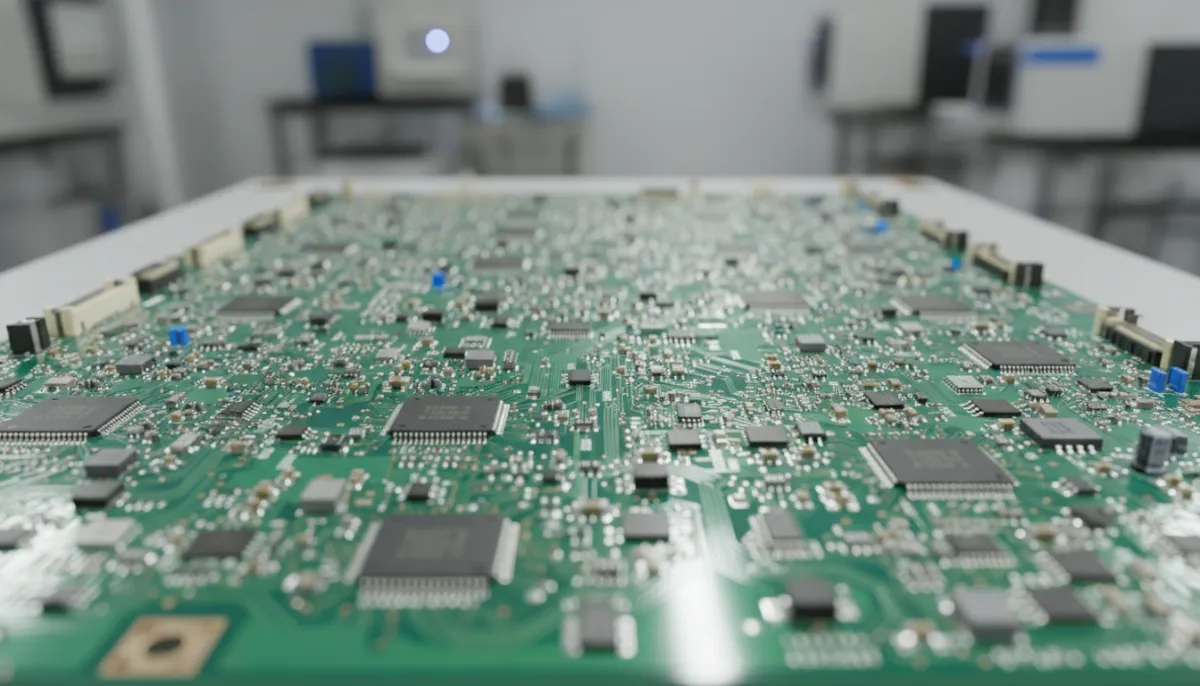
Explore the significance of PCBA cleaning for enhancing electronic component performance and reliability.
The Importance of PCBA Cleaning
Maintaining cleanliness in PCBA (Printed Circuit Board Assembly) is a vital process that significantly affects the performance and lifespan of electronic components. This involves removing dirt, grease, residue, and other contaminants that accumulate on circuit board surfaces. In this article, we will explore why PCBA cleaning matters, how it works, and its benefits and drawbacks.What is PCBA Contamination? PCBA contamination refers to any residue, dirt, slag, or adsorbed substances that settle on the PCB surface, degrading the chemical, physical, or electrical properties of the board.Common Elements of PCBA Contamination:- Contaminants from the components making up the PCBA, including oxidation of the PCB itself.
- Residues left from flux during the manufacturing process.
- Fingerprints, holder marks, and other pollutants generated during soldering.
- Dust, moisture, solvent vapors, and static electricity contributing to workplace contamination.
- Electromagnetic Compatibility (EMC) Issues: Dirty surfaces can lead to electromagnetic interference.
- Reliability Concerns: Contaminants can compromise soldering quality, resulting in weak connections.
- Shortened Lifespan: Dirty circuit boards may have a reduced lifespan.
- Water-Based Cleaning: Typically favored as an eco-friendly solution.
- Solvent-Based Cleaning: Used to tackle more stubborn contaminants, though it's less environmentally friendly.
- Ultrasonic Cleaning: An effective method that uses high-frequency sound waves to dislodge dirt.
- Preparation: Careful preparation to protect components on the PCB.
- Cleansing: Cleaning the PCB surface using the chosen method.
- Rinsing: Rinsing and drying the PCB after the cleaning process.
- Enhanced Performance: A clean PCB offers better electrical properties.
- Extended Lifespan: Cleaning prolongs the life of the PCB.
- Safety: Prevents failures caused by contaminants.
- Cost: Cleaning processes can incur additional expenses.
- Time: The cleaning process may prolong production time.